Understanding how successful organizations operated in the past can offer practical insights for today’s U.S. workplaces. The Knights Templar, a medieval order, provides a unique case study in organizational structure, discipline, and the powerful role of visual identity. Their approach to team cohesion and mission alignment holds lessons relevant to any professional environment, from healthcare to industrial settings.
For supervisors and team members alike, examining the Templar legacy isn’t about history for history’s sake. It’s about recognizing how clear standards, a unified appearance, and a strong sense of purpose can enhance operational efficiency, build trust, and reinforce a team’s commitment to its goals. These are practical benefits that directly impact daily work realities.

The Power of a Unified Appearance in Teams
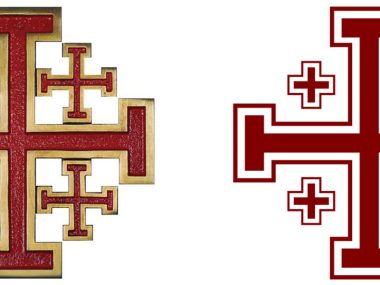
The Knights Templar were instantly recognizable by their white mantle adorned with a red cross. This wasn’t just a symbol; it was a uniform that conveyed their identity, discipline, and shared mission. In today’s workplaces, a unified appearance serves similar practical functions. Whether it’s matching scrubs in a hospital, branded polos in a service role, or specific safety gear in an industrial plant, uniforms foster a sense of team identity.
This consistent look can reduce distractions and project professionalism to clients, patients, or the public. It also simplifies daily decision-making about what to wear, allowing employees to focus on their job tasks. Establishing clear standards for uniform compliance ensures everyone presents a cohesive front, which is vital for building external trust and internal morale.

Discipline and Standards: A Foundation for Operations
The Templars operated under strict rules and codes of conduct that governed nearly every aspect of their lives, including their attire and daily duties. This rigorous discipline was central to their effectiveness as an organization. In modern workplaces, clear standards and protocols are equally fundamental to smooth operations and safety.
Think about the importance of safety protocols in an industrial setting or hygiene standards in healthcare. These are not optional; they are non-negotiable rules that protect employees and customers. Just as the Templars’ rules minimized ambiguity and ensured coordinated action, today’s workplace policies and dress codes provide a framework for consistent performance, reducing errors and improving overall efficiency.

Beyond the Symbol: Practicality in Professional Attire
While the Templar uniform carried deep symbolic meaning, it was also designed for practicality. Their simple, durable garments were suited for the demands of their duties. This balance between symbolism and function is a key consideration for any organization choosing uniforms today. A uniform must not only look professional but also be comfortable, durable, and appropriate for the job’s physical demands.
Supervisors often face trade-offs when selecting uniforms. A high-quality, durable fabric might cost more upfront but save money on replacements and improve employee comfort over time. An overly restrictive design, while perhaps looking “sharp,” could hinder movement and impact productivity. Practical decision-making means weighing appearance against factors like ease of movement, maintenance requirements, and overall cost-effectiveness for the long term.

What often gets overlooked are the downstream effects of prioritizing initial cost savings. A cheaper uniform might seem like a win on paper, but if it fades quickly, tears easily, or shrinks after a few washes, the perceived savings vanish. Employees spend more time dealing with replacements, and the organization incurs hidden costs in reordering, distribution, and the administrative burden of managing a constantly deteriorating uniform stock. This also impacts the professional image, as worn-out uniforms reflect poorly on the entire team and can subtly erode morale.
Beyond durability, the daily wearability is critical. A uniform that restricts movement, chafes, or doesn’t breathe well can significantly impact an employee’s comfort and focus throughout a shift. This isn’t just about personal preference; it can lead to reduced productivity, increased complaints, and even minor health issues like skin irritation over time. Supervisors might face pressure to select a uniform based primarily on appearance or upfront cost, but failing to consider the practical realities of an eight-hour workday in that garment can lead to widespread frustration and a disconnect between the intended professional image and the actual employee experience.
Organizational Identity and Mission Alignment
The Knights Templar’s identity was inseparable from their mission. Their appearance and conduct constantly reinforced their purpose. In a similar vein, a modern organization’s professional appearance, including its uniforms, plays a significant role in communicating its identity and mission to the world.
When a service team consistently presents a polished, unified look, it reinforces the company’s commitment to quality and customer service. For an office environment, a consistent professional dress code can reflect a culture of precision and reliability. This alignment between appearance and mission helps build credibility with clients and fosters a shared sense of purpose among employees. It’s about ensuring that what people see on the outside matches the values and goals on the inside.

 Templar Uniform Editorial