Understanding the principles behind professional attire can significantly improve daily work life. This article looks at how historical approaches to uniforms, like those of the Templars, offer practical insights for today’s U.S. workplaces. We’ll cut through common ideas to focus on what truly matters for comfort, compliance, and team appearance.
For supervisors and employees alike, making informed decisions about workwear impacts efficiency and morale. We’ll examine how lessons from the past can help navigate current challenges in uniform selection and policy.

The ‘Relic’ of Unified Appearance: Beyond Just a Logo
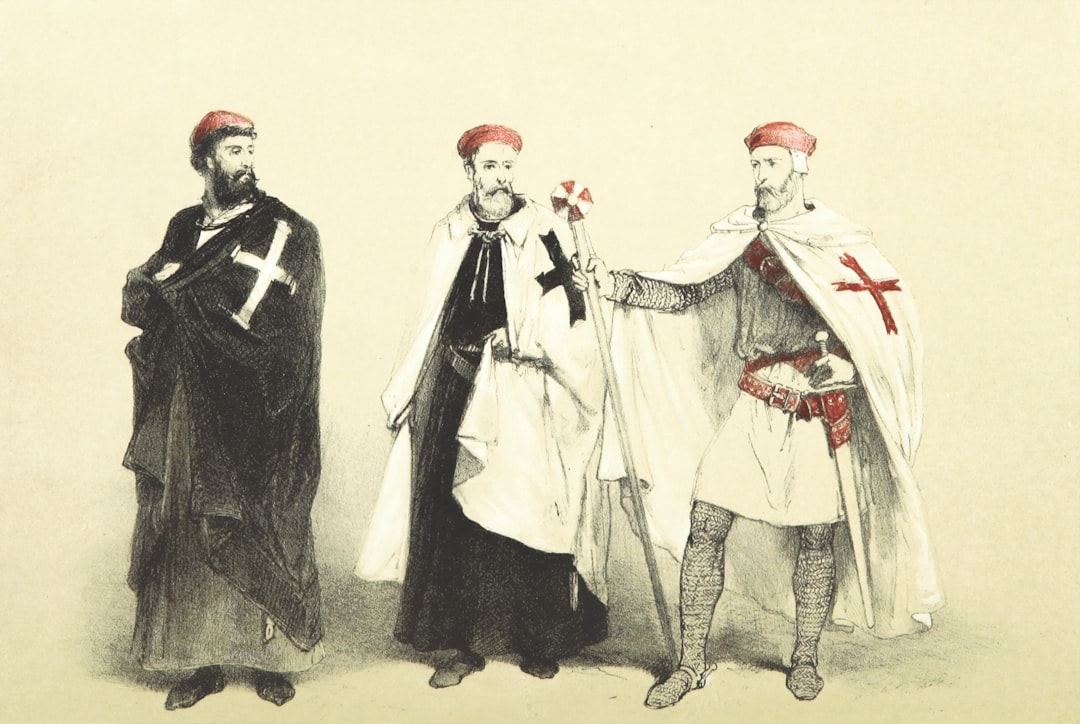
The Templars were instantly recognizable by their distinct white mantles with a red cross. This wasn’t just a fashion choice; it was a clear signal of unity, purpose, and identity. In today’s workplaces, a unified appearance serves a similar function, though often less dramatically.
For healthcare teams, matching scrubs or lab coats convey professionalism and cleanliness. Service industry staff in coordinated uniforms project a cohesive brand image. Even in industrial settings, consistent safety gear reinforces a culture of caution. The ‘relic’ here is the enduring truth that a shared visual identity fosters team cohesion and public trust. It’s about more than just a company logo; it’s about what that logo represents when worn by every team member.

Balancing Symbolism and Function: The Uniform’s Dual Role
Templar attire had both symbolic and highly functional elements. Their armor and practical clothing were designed for specific duties and protection. Modern uniforms face the same dual requirement: they must symbolize the organization’s values while also being practical for the job at hand.
A uniform for a construction worker needs to be durable and provide protection, while also displaying company branding. An office professional’s attire needs to convey competence and professionalism, allowing for comfort during long hours. The challenge is often finding materials and designs that meet both needs without compromising one for the other. This requires careful consideration of fabric, fit, and job-specific demands.

Dispelling Uniform Myths: Comfort vs. Compliance
One common ‘myth’ about uniforms is that they are inherently uncomfortable or restrictive. While older uniform designs might have supported this idea, modern textile technology has changed the landscape. Today, many uniforms are designed with comfort, breathability, and flexibility in mind, using advanced fabrics that wick moisture or stretch with movement.
The ‘truth’ is that compliance with uniform standards doesn’t have to mean sacrificing comfort. When selecting uniforms, prioritizing materials that allow for ease of movement and temperature regulation can significantly improve employee satisfaction. Overlooking these practical aspects can lead to discomfort, reduced productivity, and resistance to uniform policies.
What’s often overlooked is that the initial cost savings from choosing less comfortable uniform options can quickly be offset by hidden expenses. Employees who are genuinely uncomfortable might take more frequent breaks, experience higher rates of minor injuries due to restricted movement, or even look for new employment where workplace comfort is prioritized. This translates into increased absenteeism, higher turnover, and the ongoing cost of recruiting and training replacements.
Furthermore, the friction created by uncomfortable uniforms goes beyond simple resistance. It can lead to a subtle but persistent erosion of morale and team cohesion. When staff feel their basic comfort needs are ignored, it signals a lack of consideration, which can impact overall engagement and their willingness to adhere to other workplace policies. This isn’t always reflected in immediate metrics but accumulates as a long-term organizational cost, making management’s job harder and diverting focus from core tasks.
The ‘Lore’ of Professionalism: Setting Clear Standards
The Templars operated under strict rules, including those governing their appearance. This discipline ensured a consistent standard of professionalism. In contemporary workplaces, clear dress codes and uniform policies serve a similar purpose. They remove ambiguity and set expectations for how employees should present themselves.
The ‘lore’ of professionalism suggests that a well-defined standard contributes to a respectful and productive environment. Without clear guidelines, individual interpretations can vary widely, leading to inconsistencies that might undermine a team’s image. Supervisors need to communicate these standards plainly and consistently, explaining the ‘why’ behind the rules to foster understanding and adherence.

Practical Trade-offs: Cost, Durability, and Employee Buy-in
Just as the Templars had to manage resources for their extensive needs, modern organizations face practical trade-offs when implementing or updating uniform programs. Key considerations include initial cost, long-term durability, and the crucial aspect of employee buy-in.
Choosing cheaper uniforms might save money upfront but could lead to higher replacement costs if they wear out quickly. Conversely, highly durable options might have a higher initial price tag. Involving employees in the selection process, perhaps through feedback on comfort and fit, can significantly boost acceptance and compliance. Balancing these factors requires a practical approach, weighing budget constraints against the benefits of quality and team morale.

 Templar Uniform Editorial