Understanding the visual messages conveyed by uniforms, even those from centuries past, offers practical insights for today’s workplaces. Whether you’re in healthcare, service, industrial, or an office setting, what people wear communicates purpose, role, and belonging. This isn’t just about looking good; it’s about clear identification, team cohesion, and projecting a professional image that supports daily operations.
By looking at historical examples, like the Knights Templar, we can see how specific uniform elements were chosen for practical reasons. These lessons can help us make better decisions about our own professional appearance and team uniforms today, focusing on clarity, function, and impact.

The Power of Visual Cues in Team Identity
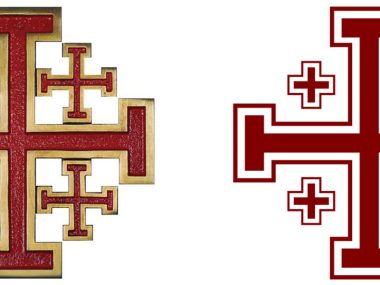
The Knights Templar were instantly recognizable by their white tunics and distinctive red cross. This wasn’t just for show; it was a clear, immediate identifier of their role and allegiance. In today’s workplace, similar principles apply. A uniform or specific dress code acts as a visual cue, signaling a team member’s role to colleagues and customers alike. Think about a hospital’s color-coded scrubs or a service technician’s branded polo shirt.
These visual cues streamline interactions. Customers know who to approach for help, and team members can quickly identify colleagues from different departments. This clarity reduces confusion and supports efficient workflows, which is a practical benefit in any fast-paced environment.
White Tunic and Red Cross: Practicality and Purpose
The Templar uniform’s design was rooted in practicality. The white tunic symbolized purity, but it also served a functional purpose in a dusty, harsh environment. The red cross was a bold, simple emblem, easy to recognize from a distance. When considering modern uniforms, these elements translate directly to choices about color, fabric, and insignia.
For instance, a light-colored uniform in an industrial setting might highlight dirt, signaling a need for cleaning or maintenance. A simple, clear logo on a corporate uniform ensures brand recognition without being distracting. Every design choice, from the material’s durability to the placement of a badge, should serve a practical purpose related to the job’s demands and the desired professional image.
Beyond the Emblem: Durability and Function in Design
Templar attire needed to withstand rigorous use. Durability and function were paramount, not just aesthetics. This historical reality directly informs modern uniform procurement. When selecting uniforms for your team, the trade-offs between initial cost, material quality, and longevity are critical. A cheaper uniform might save money upfront but could wear out quickly, requiring frequent replacements and ultimately costing more.
Consider the daily realities: will the fabric hold up to repeated washing? Is it comfortable for an eight-hour shift? Does it allow for the necessary range of motion for the job? Overlooking these functional aspects can lead to discomfort, reduced productivity, and higher long-term expenses. Practical decision-making means balancing appearance with the uniform’s ability to perform under real-world conditions.

What often gets overlooked are the hidden costs beyond just the purchase price of a new garment. Each replacement triggers an administrative chain: processing the order, managing inventory, distributing the new item, and disposing of the old one. This isn’t just a simple transaction; it’s staff time diverted from other critical tasks, adding up to a significant operational overhead that rarely appears on the initial uniform budget line.
Furthermore, durability isn’t solely about a uniform falling apart. Subtle failures, like rapid fading, persistent wrinkling, or fabric pilling, can degrade professional appearance long before a garment is truly unwearable. While a faded shirt might still function, it projects a less polished image to clients or patients, subtly undermining the team’s perceived professionalism. This can impact morale too; employees take pride in looking presentable, and a uniform that quickly looks worn can be a source of daily frustration.
The pressure to manage these issues often falls on supervisors who then have to balance budget constraints with employee complaints about comfort or appearance. In practice, this can lead to employees trying to extend the life of uniforms past their reasonable lifespan, or even hoarding extra garments if they anticipate slow replacement cycles. These behaviors, while understandable from an employee perspective, complicate inventory management and can lead to an inconsistent team appearance, further illustrating how a seemingly small initial saving can ripple into larger operational and morale challenges.
Applying Historical Principles to Modern Uniform Decisions
The lessons from historical uniforms, like those of the Knights Templar, are not about replicating old styles. Instead, they highlight enduring principles for effective workplace attire. Clear identification, purpose-driven design, and robust functionality remain key considerations today. When making uniform decisions, ask:
- Does this uniform clearly communicate the wearer’s role and team?
- Is its design practical for the specific tasks and environment?
- Will it be durable and comfortable enough for daily wear, minimizing replacement costs and maximizing employee satisfaction?
By focusing on these practical aspects, you can ensure your team’s professional appearance supports their work, fosters a sense of unity, and stands up to the demands of the job.
 Templar Uniform Editorial