In the quiet, hallowed halls of museums and the hushed corners of ancient chapels, tangible whispers of the past reside. These are not mere objects; they are relics, treasures that have witnessed the march of centuries. For those of us captivated by the legacy of the Knights Templar, items like a frayed piece of a mantle, a tarnished silver cross, or a leather-bound rule book are profound links to a legendary order. But these artifacts are fragile, locked in a constant, silent battle with time itself. Preserving them is more than a scientific task; it is an act of deep reverence, a sacred duty to protect the story stitched into every fiber and etched into every surface. This is the world of the conservator, the modern guardian who ensures that the echoes of the Templars and other historical orders do not fade into dust.
The process of preservation is a delicate dance between science and soul. It requires the sterile precision of a laboratory and the gentle hand of someone who understands the spiritual weight of the object they are holding. It’s about understanding that the patina on a Templar sword isn’t just corrosion; it’s the accumulated breath of history. The goal is not to make something old look new, but to halt its decay, to stabilize it so that future generations can also stand before it and feel that connection to the past. Join us as we unveil the methods, challenges, and profound respect involved in guarding these irreplaceable treasures.

The silent battle against time: understanding the threats to sacred artifacts
Before a single tool is lifted or a chemical is mixed, the first step in preservation is understanding the enemy. Time is a relentless force, and it deploys a vast army of elements to reclaim what history has left behind. For the relics associated with an era like that of the Knights Templar—spanning the 12th to 14th centuries—the threats are numerous and complex. These items, often made from organic materials, are particularly vulnerable.
The most pervasive threat is the environment itself. Light, especially the ultraviolet (UV) spectrum, is a potent destroyer of color and integrity. Imagine a Templar banner, its vibrant red cross once a bold symbol on the battlefield. Exposed to direct sunlight over years, those crimson threads would fade to a pale ghost of their former glory, the fabric itself becoming brittle and weak. This is why you so often see ancient textiles and manuscripts displayed in dimly lit rooms. Humidity is another insidious foe. Too much moisture in the air invites mold and mildew, which can devour cloth and vellum, leaving behind irreversible stains and decay. Too little humidity, and organic materials like wood, leather, and parchment become desiccated, shrinking, cracking, and turning to dust. Fluctuations between hot and cold cause materials to expand and contract, placing immense stress on joints, seams, and delicate surfaces.
Beyond the environment, physical threats abound. For centuries, relics were handled, kissed, and carried in processions. While these acts were born of devotion, the oils, salts, and acids from human skin can cause significant damage over time. Then there are the smaller, often unseen, agents of destruction: insects. Moths can wreak havoc on a woolen mantle, while the larvae of wood-boring beetles can turn a sacred wooden reliquary into a honeycomb of tunnels. Even the air in our modern cities, filled with pollutants like sulfur dioxide, can create acidic reactions on the surface of metals and stone, slowly eating them away.
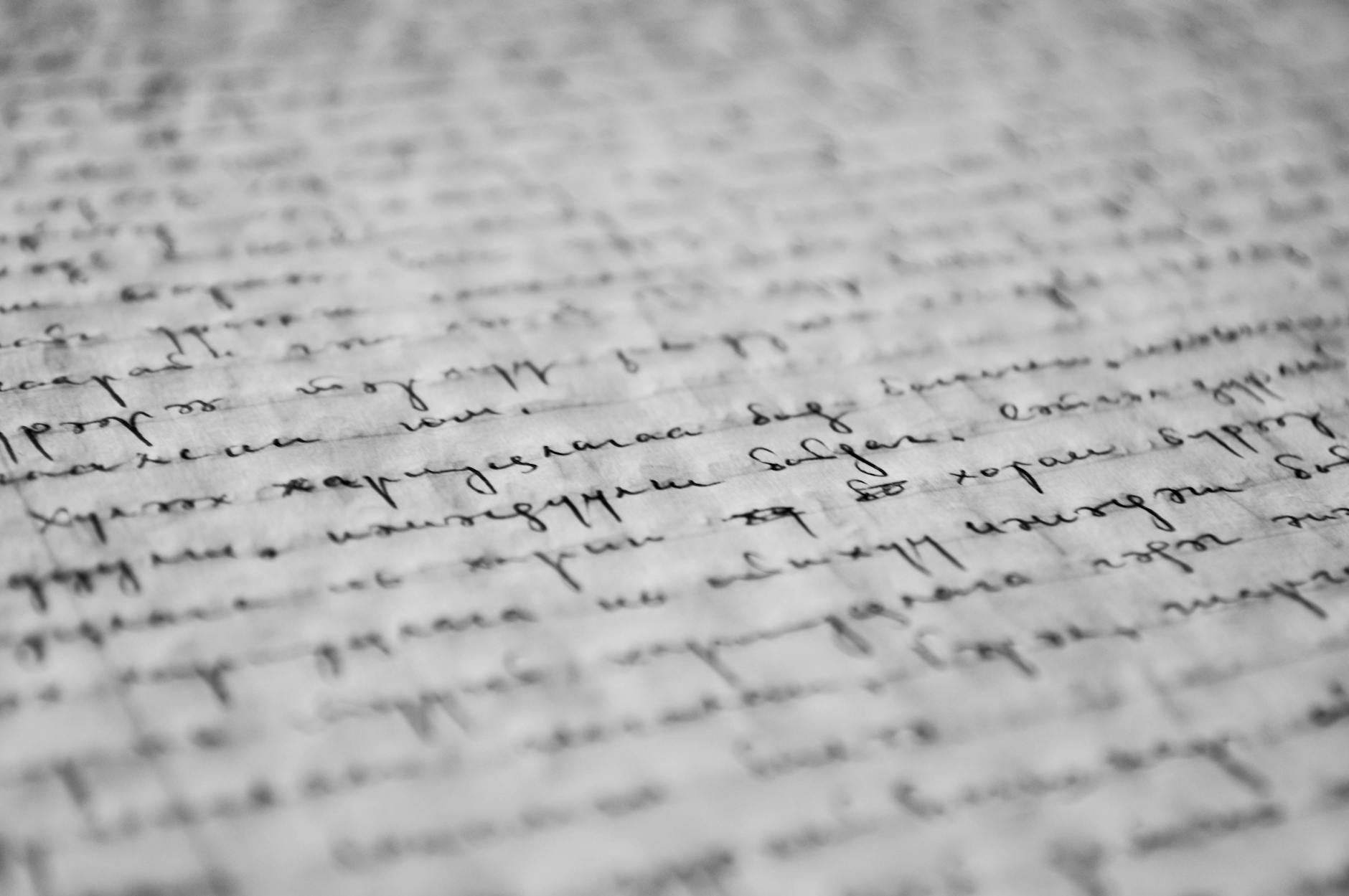
Finally, there is a concept conservators call “inherent vice”—the tendency of an object to self-destruct due to the nature of its own materials. For example, the iron gall ink used in many medieval manuscripts is highly acidic. Over time, this ink can literally burn through the vellum or paper it was written on, creating lace-like holes where words once stood. Similarly, certain metal alloys used in buckles or adornments can degrade and corrode, staining the surrounding leather or fabric. Understanding these built-in vulnerabilities is crucial for developing a preservation strategy that respects the object’s original composition while fighting its natural inclination toward decay. Each artifact, from a simple leather belt to an illuminated manuscript, presents a unique set of challenges that requires a bespoke approach from its modern-day guardians.
The conservator’s craft: techniques for preserving history’s touch
Once the threats are understood, the delicate and highly specialized work of conservation can begin. This is where science, artistry, and a historian’s insight converge. The conservator’s guiding principle is often “do no harm.” Their interventions are meticulous, minimally invasive, and, whenever possible, reversible. They are not restoring an item to a pristine, factory-new state, but rather stabilizing it to prevent further degradation while honoring its age and history.

The first line of defense is creating a controlled environment. Modern archives and museum displays are marvels of technology designed to hold time at bay. Climate control systems maintain a constant, optimal level of temperature and humidity, tailored to the specific needs of the artifacts within. Specialized lighting with UV filters protects against photochemical damage, allowing items to be viewed without being “burned” by invisible radiation. For exceptionally fragile items, such as fragments of the Dead Sea Scrolls, conservators have created sealed enclosures filled with inert gas, like argon, which halts the process of oxidation almost entirely.
When direct intervention is necessary, the techniques are material-specific and incredibly precise. Consider a Templar-era textile, perhaps a fragment of a woolen tunic. A conservator might begin by using a specialized, low-suction vacuum with a mesh screen to gently lift surface dust. If cleaning is required, they use carefully tested solvents applied with tiny swabs to remove grime without harming the delicate fibers or original dyes. To support the fragile fabric, it might be painstakingly stitched onto a new, acid-free backing cloth with infinitesimally small, color-matched threads, providing strength without altering its appearance.
For metal objects like a sword hilt or a processional cross, the approach is different. The goal is to remove active, damaging corrosion (the flaky, destructive kind) while preserving the stable patina—the dark, even layer that forms over centuries and is part of the object’s story. This is done mechanically, under a microscope, using tiny tools like scalpels or air abrasives that shoot fine powders. Once cleaned, a microcrystalline wax is often applied. This clear, reversible coating seals the surface from moisture and pollutants, acting as a shield against future decay.
Perhaps the most delicate work involves manuscripts and documents. For a book of Templar statutes written on vellum, a conservator must address flaking pigments, acidic ink, and brittle pages. They might use a gelatin-based substance to re-adhere lifting paint on an illumination or employ a process of de-acidification to neutralize the corrosive ink. Torn pages are mended with specialized tissues, some so fine they are nearly invisible, using conservation-grade adhesives that will not yellow or become brittle with age. This work is a testament to patience and reverence, where every touch is a carefully considered act to save a piece of our collective memory.
Beyond the physical: preserving the spiritual essence of a relic
The preservation of a shrine item or a Templar relic transcends the purely physical. While the scientific techniques are vital for halting decay, the reverence with which these objects are treated is essential to preserving their spiritual and historical significance. A relic is more than the sum of its materials; it is a conduit to the past, a focal point for faith, history, and legend. The context in which it is kept and displayed is paramount to safeguarding this intangible essence.

The shrine, museum, or chapel itself acts as the first layer of spiritual preservation. These are not just storage facilities; they are purpose-built spaces designed to evoke a sense of awe and respect. The architectural design, the low lighting, and the often-accompanying silence all signal to the visitor that they are in the presence of something profound. This curated atmosphere discourages casual, careless behavior and fosters a sense of connection and reverence. The very act of placing an object within a reliquary—an ornate container often made of precious materials—elevates its status from a mere artifact to a treasured relic. This ritual of encasement is a powerful statement about the object’s importance, a tradition that has protected and honored sacred items for centuries.
Furthermore, the way we interact with these items contributes to the preservation of their story. Limited viewing times, the use of protective glass, and rules against flash photography are not just for the object’s physical safety; they reinforce its precious and venerable nature. The narrative provided alongside the display—the history of the object, its connection to the Knights Templar, its symbolism—is just as crucial as any chemical treatment. This story-telling preserves the relic’s soul, ensuring that its legacy and the legends surrounding it are passed down alongside the physical form.
In our digital age, a new frontier of preservation has opened. High-resolution photography, 3D laser scanning, and photogrammetry allow us to create incredibly detailed digital surrogates of relics. This serves a dual purpose. First, it creates a permanent record of the object in its current state, a digital ghost that would survive even if the original were lost. Second, it allows for unprecedented access. Scholars from around the world can study the intricate details of a manuscript without ever touching it. Enthusiasts can virtually “hold” a Templar seal, rotating it on their screen to see every mark and imperfection. This digital preservation democratizes access to history, spreading the story of the relic far beyond the walls of the institution that houses it, all while protecting the fragile original from the risks of transport and handling. In this way, technology becomes a partner to tradition, ensuring that the spiritual essence of these treasures continues to inspire and awe a global audience.
In conclusion, the preservation of shrine items and Templar relics is a profound commitment. It is a fusion of cutting-edge science and age-old reverence, a duty carried out by dedicated individuals who act as guardians of our shared heritage. From controlling the humidity in a room to digitally mapping a manuscript, every action is taken to ensure that these tangible links to a legendary past endure. In every preserved fiber and stabilized metal, the spirit of the Knights Templar lives on, a testament to a legacy guarded with unwavering devotion for the generations yet to come.

 Templar Uniform Editorial