Even centuries ago, groups like the Knights Templar understood that what you wear at work isn’t just clothing. It’s a tool for identity, purpose, and team cohesion. Looking at their approach can offer practical insights for today’s U.S. workplaces, whether you’re in healthcare, service, industrial, or an office setting.
This article explores how historical uniform principles still apply to our daily professional decisions, helping you make informed choices about appearance, compliance, and team unity in your own work environment.

Understanding Uniform Purpose: More Than Just Appearance
For the Knights Templar, their distinct white mantle with a red cross wasn’t just a fashion statement. It clearly identified their role, their commitment, and their mission. This direct link between attire and purpose is a critical lesson for modern workplaces.
When considering uniforms today, the first step is to define their core purpose. Is it for safety, like high-visibility vests in industrial settings? Is it for hygiene, such as scrubs in healthcare? Or is it for brand recognition and customer trust, like branded polo shirts in service roles? Understanding this purpose helps guide decisions on material, design, and enforcement, ensuring the uniform serves a practical function beyond just looking professional.

The Power of Consistent Branding: Building Team Identity
The strict uniformity among the Knights Templar fostered a strong sense of identity and cohesion within their ranks. Everyone knew their place and their shared commitment was visually reinforced. This principle holds true for modern teams.
Consistent uniforms can significantly impact team morale and how the public perceives an organization. When every team member adheres to a clear dress standard, it projects professionalism, unity, and reliability. This consistency helps build a recognizable brand image and can simplify daily decisions for employees, removing guesswork about what is appropriate to wear. It also ensures that all team members represent the organization equally, avoiding visual disparities that can arise from individual clothing choices.

Balancing Function and Form: Practicality in Professional Attire
Templar attire, while symbolic, also had to be functional for their demanding roles. Their gear needed to offer protection and allow for movement. This balance between form and function is a constant challenge in contemporary workplace uniform selection.
For U.S. professionals, uniforms must be practical for the job at hand. This means considering factors like durability for industrial environments, ease of cleaning for healthcare, and comfort for long shifts in service or office settings. Overlooking these practical aspects in favor of aesthetics can lead to discomfort, reduced productivity, and increased replacement costs. It’s a trade-off: a uniform might look sharp, but if it restricts movement or isn’t breathable, it won’t be effective for daily work realities.
Beyond the immediate costs of replacing a torn or worn-out uniform, there are less obvious drains. A uniform that doesn’t hold up means more time spent by supervisors tracking inventory, ordering replacements, and distributing new items. This administrative overhead, while not a direct uniform cost, pulls resources away from core operational tasks.
Consider the subtle ways a uniform can fail. A fabric might seem durable, but if it traps heat excessively, employees will be less focused and more prone to fatigue, especially in physically demanding roles or non-climate-controlled environments. Or, if the sizing is inconsistent across batches, staff end up with ill-fitting garments, leading to daily frustration and a perception that the organization doesn’t prioritize their comfort or professional appearance. This isn’t just about aesthetics; it impacts how employees feel about their work and their employer.
These seemingly minor issues accumulate. When uniforms consistently fall short on practicality, it can erode team morale. Employees might feel undervalued or that their daily challenges aren’t understood. Over time, this can contribute to higher turnover rates, as staff seek environments where their basic needs, including comfortable and functional work attire, are met without constant struggle. The initial cost savings from a cheaper uniform can quickly be overshadowed by the expense of recruiting and training new personnel.
Maintaining Standards: Preventing Uniform Drift in the Workplace
The Templars had clear rules for their attire, and adherence was expected to maintain order and discipline. In any workplace, uniform policies can drift over time if not consistently managed. What starts as a clear standard can become inconsistent, impacting professionalism and team appearance.
Supervisors play a key role in upholding uniform standards without resorting to micromanagement. This involves clear communication of expectations, providing accessible uniform options, and addressing inconsistencies promptly and fairly. Regular, gentle reminders about policy, especially for new hires, can prevent minor deviations from becoming widespread issues. The goal is to ensure the uniform continues to serve its intended purpose for safety, identity, and professionalism, reflecting a well-managed and cohesive team.

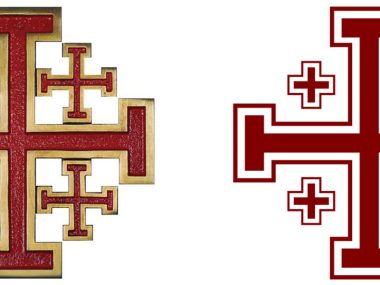
 Templar Uniform Editorial