For professionals in any field, understanding how an organization builds and maintains its identity is key. The Knights Templar, a historical order, offer a unique case study in this regard. Their story, often shrouded in legend, provides practical insights into the power of a distinct uniform, strict operational standards, and the lasting impact of public perception.
This article will look at the real history of the Templars alongside the myths. We will consider how their choices around appearance, structure, and reputation played out, offering observations relevant to today’s workplaces, from healthcare to industrial settings.

The Templar Uniform: Practicality and Identity in Action
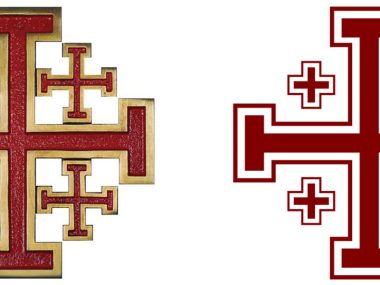
The iconic white mantle with a red cross worn by the Knights Templar was more than just a symbol. It served a clear, practical purpose: immediate identification on the battlefield and within their communities. This uniform communicated their role and allegiance without words. For the Templars, their attire was a daily reminder of their commitment and discipline.
In today’s workplaces, uniforms function similarly. Whether it’s scrubs in a hospital, a branded polo in a service role, or safety gear in an industrial plant, the uniform establishes identity and often ensures compliance with specific standards. The Templars understood that a consistent appearance reinforced their collective identity and operational readiness, a principle still relevant for team coordination and professional presentation.

Legends often depict Templars in elaborate, almost mythical armor. The reality was more grounded. Their gear was functional, designed for the demands of their duties. This focus on practicality over pure aesthetics is a common trade-off in modern uniform selection, balancing appearance with durability, comfort, and job-specific requirements.
Operational Structure: Discipline and Daily Work Realities
Beyond their public image, the Templars operated under a strict organizational framework known as the Rule of the Temple. This rule dictated everything from daily routines to financial management. It established a clear hierarchy and defined roles, ensuring that the order functioned efficiently across vast distances and diverse operations.
This level of discipline and structured operation is a cornerstone of effective organizations today. Clear procedures, defined responsibilities, and consistent adherence to rules are critical for success, whether managing a busy office or coordinating a complex industrial project. The Templars demonstrated how a well-defined structure supports daily work realities, moving beyond romanticized notions of their activities.

Their daily lives were not solely about combat. Much of their work involved administration, logistics, and managing their extensive resources. This required meticulous record-keeping and coordinated effort, underscoring that even in a historical military order, practical management skills were essential for sustained operation.
Reputation and Reality: Navigating Public Perception
The Knights Templar initially built a strong reputation based on piety, courage, and their mission to protect pilgrims. This positive public perception was crucial for their fundraising and recruitment. However, as their wealth and influence grew, so did suspicion and rumors. Legends of hidden treasures, secret rituals, and immense power began to overshadow their original mission.
This shift highlights a critical workplace lesson: an organization’s reputation, whether based on fact or rumor, significantly impacts its standing. For any business or team, managing public perception is an ongoing task. What starts as a positive image can erode if not carefully maintained, especially when external narratives begin to diverge from internal realities.

The Templars’ story shows how powerful legends can become, sometimes eclipsing the true history and practical operations of an entity. Understanding this dynamic is vital for professionals who need to ensure their team’s or company’s public image accurately reflects its values and work, rather than being defined by speculation.
What’s often overlooked is how quickly minor inconsistencies or unaddressed whispers can take root. In the daily rush of operations, it’s easy to dismiss a critical social media comment or a vague rumor as an isolated incident. However, these small cracks, if not addressed, can widen. They create a fertile ground for speculation, making it harder to correct the record later, even with clear facts.
The downstream effects extend beyond just external perception. When an organization’s public image diverges significantly from its internal reality, it can deeply impact employee morale. Staff who are proud of their work and values can become frustrated or disengaged when they constantly face skepticism or negative assumptions from the outside. This internal friction can then hinder recruitment efforts, as potential hires may be wary, and even lead to higher turnover among existing, valuable team members.
Maintaining a consistent and authentic public image requires more than just marketing campaigns; it demands alignment from every level of the organization. Front-line employees, in particular, often bear the brunt of public misconceptions. They are the ones directly interacting with customers or the community, and they feel the pressure to defend or explain when the company’s actions don’t match its stated values or when external narratives are negative. This constant pressure can lead to burnout and a sense of disconnect, making it harder for the organization to truly live up to its desired reputation.
The Decline: Lessons in Organizational Vulnerability
The eventual dissolution of the Knights Templar was not sudden. It resulted from a combination of political pressure, accusations, and a changing geopolitical landscape. Their rigid structure, while initially a strength, may have also contributed to a lack of adaptability when faced with unprecedented challenges and powerful adversaries.
This historical event offers a practical lesson in organizational vulnerability. Even highly successful and disciplined entities can face existential threats if they fail to adapt to new environments or manage external pressures effectively. For today’s workplaces, this underscores the importance of strategic foresight, risk management, and the ability to evolve.
The Templars’ experience reminds us that no organization, regardless of its past achievements or perceived strength, is immune to external forces or internal inflexibility. Maintaining relevance and stability requires continuous evaluation and a willingness to adjust operational strategies, a constant challenge for leaders and teams across all sectors.
 Templar Uniform Editorial