
The currency of the crusade: a glimpse into Templar power
In the vast and intricate tapestry of Knights Templar history, we often focus on the gleaming armor, the sharp swords, and the stoic faith that defined the order. We speak of their legendary prowess in battle and their unwavering devotion. Yet, nestled within this grand narrative is a story told not on parchment or through oral tradition, but struck in humble silver and billon. This is the story of Templar coins, tangible relics that passed through the hands of knights, pilgrims, and merchants, each one a silent witness to the order’s immense economic and political power.

While the image of a Templar is one of a warrior monk, it’s crucial to remember they were also the master bankers of the medieval world. Their network of preceptories functioned as the world’s first multinational corporation, managing vast estates, protecting pilgrims’ assets, and financing entire crusades. To manage this sprawling enterprise, they needed more than just faith and steel; they needed a standardized, trustworthy currency. The coins minted under their authority were not mere tokens of wealth but instruments of power, symbols of sovereignty in the Crusader States, and the lifeblood of their logistical operations. Holding one of these coins today is to hold a direct link to that forgotten economy, a piece of metal that funded a soldier’s meal, paid for a castle’s repair, or was offered in a dusty Levantine market. Join us as we explore these exquisite finds and learn how to read the legends etched into their surfaces.

Deciphering the die: symbols and secrets of Templar coinage
At first glance, a Templar coin might seem crude compared to the polished currency of modern times. The strikes are often off-center, the details worn by centuries of circulation and burial. But to the trained eye, these small metal discs are rich with a language of symbols that speak volumes about the order’s identity, beliefs, and territory. They are miniature masterpieces of medieval branding, instantly recognizable and trusted across the Christian and Saracen worlds.

The most dominant and recurring symbol is, without a doubt, the cross. Most commonly, you will find the croix pattée, a cross with arms that are narrow at the center and flare out at the ends. This was the emblem granted to the Templars by Pope Eugenius III in 1147, the iconic sigil that adorned their white mantles. Its presence on a coin was an immediate declaration of the authority behind it. It wasn’t just money; it was Templar money, backed by the full faith and credit of the most powerful military order in Christendom. The cross served as a guarantee of the coin’s weight and silver content, a promise of integrity in a world of debased and untrustworthy currency.
Beyond the cross, other symbols help us place the coin in its specific time and location. A common motif on coins from the County of Tripoli, where the Templars held significant minting rights, is the castel or castle. This design often featured a stylized depiction of a gate or turret, sometimes with stars or crescents in the field. This imagery had a dual meaning. On one hand, it was a clear representation of the Crusader States, a land defined by its fortresses and walled cities. On the other, it symbolized the Templars’ role as defenders of the realm, the guardians of strongholds like the magnificent Château Pèlerin. The inscriptions, though often simple, provide the final piece of the puzzle. Phrases like “+ DE TRIPOLI” clearly state the coin’s origin, while the powerful and definitive “+ TEMPLI” leaves no doubt as to the authority of the mint. Every element, from the central cross to the simple lettering around the edge, was carefully chosen to project power, faith, and stability.
The collector’s quest: curating your own Templar treasury
The idea of owning a genuine Knights Templar artifact might seem like a distant dream, reserved for museums and wealthy private collectors. The reality, however, is that starting a collection of Templar coins is more accessible than you might think. These are not impossibly rare treasures locked away in vaults. They are historical documents that were minted in large quantities and circulated widely, and with a little knowledge and patience, you can begin to curate a collection that tells its own unique story.
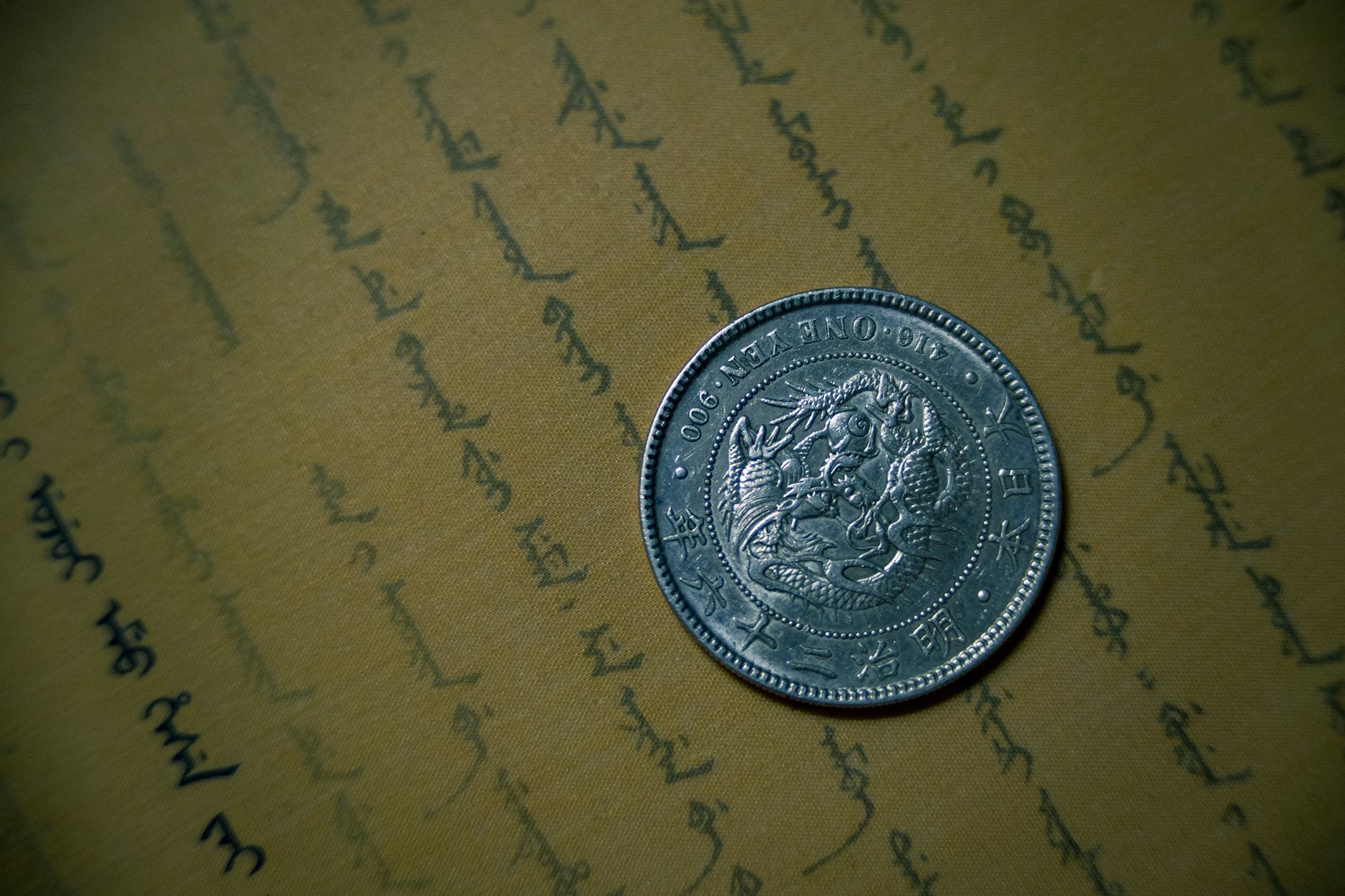
So, where does an aspiring collector begin? The first step is education. Familiarize yourself with the common types of Templar coins, primarily the silver and billon (a silver-copper alloy) deniers and obols minted in the Crusader States. Learn to recognize the key symbols: the cross pattée, the castel, and the typical inscription styles. The most common and affordable entry point is often a billon denier from the Tripoli mint. These coins are relatively plentiful and offer a fantastic opportunity to own a real piece of Templar history without a massive investment.
The most critical aspect of collecting is authenticity. The market for antiquities can be fraught with peril, so it is essential to buy from reputable sources. Established and well-reviewed coin dealers, major auction houses, and numismatic societies are your safest bets. When examining a potential purchase, pay attention to the coin’s patina—the natural layer of oxidation that forms over centuries. A genuine patina is difficult to fake and is often a good sign of age. Don’t be discouraged by imperfections; medieval coins were hammered by hand, not machine-pressed. Off-center strikes, weak spots, and irregular shapes are part of their character and charm. These are not flaws but testaments to the coin’s handmade origin. Once you acquire a coin, preservation is key. Store it in an acid-free holder, known as a “coin flip,” and resist the temptation to clean it. Harsh cleaning can strip away the historical patina and drastically reduce its value and integrity. Remember, you are not just a collector; you are the current custodian of an artifact that has traveled through a thousand years of history.
Each coin you add to your collection is another chapter in the Templar saga. One coin may be darkly toned, hinting at a long period buried in the earth. Another might be worn smooth, a sign of its passage through countless hands in a bustling Acre market. You might find a denier with a particularly clear strike of the Templar cross, or another where the castle symbol is uniquely rendered. This is the true joy of curating such a collection. You are piecing together a physical narrative, a treasury of stories struck in silver that connects you directly to the legendary world of the Knights Templar.

 Templar Uniform Editorial


