Every workplace uniform carries a story. It’s about more than just fabric; it’s about what works, what lasts, and what represents your team effectively. This isn’t about ancient tales, but about the practical ‘legends’ built through daily wear and the ‘history’ of what we’ve learned about professional attire in real U.S. work settings.
For professionals in healthcare, service, industrial, or corporate roles, making smart uniform choices impacts daily comfort, safety, and how your team is perceived. We’ll look at established practices and common pitfalls to help you navigate these decisions.

Establishing a Clear Team Visual Standard
A uniform immediately communicates professionalism and team unity. When everyone adheres to a consistent dress code, it builds trust with clients and customers. This isn’t just about looking good; it’s about clearly identifying roles and ensuring your team projects a cohesive image. Consider how a consistent look impacts first impressions in a busy clinic or on a service call. It sets an expectation of competence and reliability.

Balancing Durability with Upfront Costs
Choosing uniform materials involves a direct trade-off between initial expense and long-term wear. A cheaper garment might save money today, but frequent replacements due to wear and tear can quickly exceed those initial savings. Industrial environments, for example, demand fabrics that withstand repeated washing and harsh conditions. For office settings, a blend that resists wrinkles and holds its shape might be more practical. Evaluate the expected lifespan against the cost per wear, not just the purchase price.

Navigating Compliance and Safety Requirements
Uniforms often have specific compliance requirements, especially in healthcare and industrial sectors. This includes flame-resistant materials, high-visibility elements, or specific fabric blends for infection control. Overlooking these details isn’t just a risk; it can lead to safety hazards and regulatory issues. Always confirm that uniform choices meet current industry standards and local regulations. This protects both the employee and the organization.OSHA guidelines provide clear benchmarks for many workplace safety items, including certain uniform aspects.
While the initial purchase might seem compliant, the real test often comes with wear and tear. A garment designed for flame resistance, for example, can lose its protective qualities if laundered improperly or subjected to harsh industrial cleaning agents not approved for its specific material. Similarly, high-visibility elements fade over time, especially with frequent washing and sun exposure, reducing their effectiveness and potentially falling out of compliance without anyone noticing until an incident occurs. This isn’t just about the fabric; it’s about the entire lifecycle of the uniform.
Furthermore, compliance isn’t static. Regulations can change, and what was acceptable last year might not be today. This puts pressure on teams to stay informed and adapt, often with limited budgets and time. Employees themselves play a role; if a compliant uniform is uncomfortable or ill-fitting, there’s a risk they’ll modify it or wear it incorrectly, inadvertently compromising its protective features. This creates a gap between the theoretical compliance of the uniform and its practical application in the workplace.
The downstream effects of non-compliance extend beyond immediate fines. Repeated safety incidents due to inadequate gear can damage an organization’s reputation, impact employee morale, and lead to increased insurance premiums. It also creates a culture where safety protocols are seen as optional, which can have far-reaching consequences across all aspects of operations. Investing in truly compliant and durable uniforms, along with proper training on their care and use, is a preventative measure against these broader, often more costly, issues.
Prioritizing Comfort and Functionality for Daily Tasks
A uniform that looks good but hinders movement or causes discomfort will negatively impact productivity and morale. Professionals spend hours in their work attire, so breathability, fit, and ease of movement are critical. For a service technician, pockets and tool loops are essential. For a nurse, stretch fabric and moisture-wicking properties are key. Involve your team in the selection process to gather feedback on what truly works for their daily tasks. Practicality always outweighs aesthetics alone.
Managing Uniform Inventory and Replacement Cycles
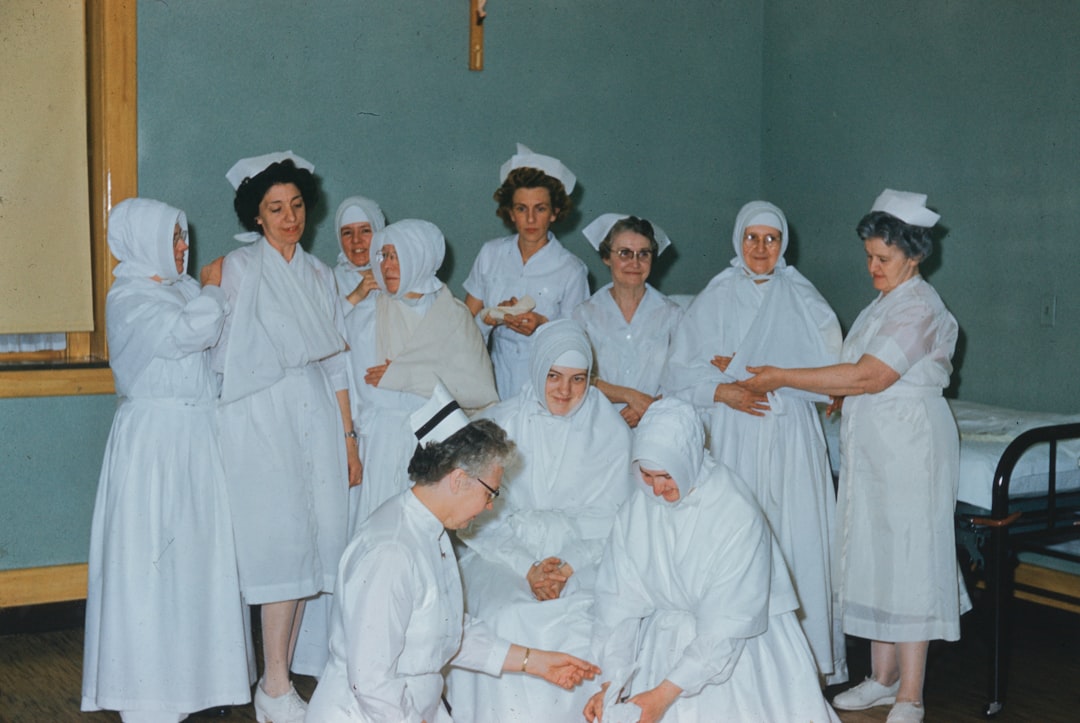
Effective uniform management involves more than just ordering new sets. It requires a system for tracking inventory, handling repairs, and planning for replacements. High-turnover roles or physically demanding jobs will require more frequent uniform refreshes. Establish clear guidelines for employees on uniform care and when to request replacements. This proactive approach minimizes downtime and ensures everyone always has appropriate, well-maintained attire.

 Templar Uniform Editorial