Understanding historical items like Templar relics might seem far removed from daily work. However, the way these items held deep meaning for a group offers practical lessons for today’s professionals. It helps us see how certain objects, like a uniform or a specific tool, become more than just functional. They represent shared purpose, team identity, and the values we uphold in our own workplaces.
This isn’t about history for history’s sake. It’s about recognizing how the concept of a ‘relic’ – an item imbued with collective significance – can inform our approach to professional appearance, team coordination, and practical decision-making in any U.S. work environment.

Identifying What Holds Value for Your Team
For the Knights Templar, relics were not just old objects; they were tangible links to their mission and history. In a modern workplace, certain items also carry significant, often unspoken, value. This could be a specific piece of equipment, a team’s uniform, or even a long-standing company award. These items, like historical relics, become symbols that reinforce a group’s identity and shared purpose. Recognizing these ‘relics’ in your own environment helps you understand what truly matters to your team beyond daily tasks.

How Shared Symbols Build Team Cohesion
The lore surrounding Templar relics helped solidify their collective identity and commitment. Similarly, in today’s professional settings, shared symbols play a critical role in team cohesion. A consistent uniform, for example, isn’t just about appearance; it’s a visual cue that everyone is part of the same team, working towards common goals. When these symbols are respected and maintained, they reinforce a sense of belonging and shared responsibility, much like a revered historical banner would for a medieval order.

Preserving Practical Heritage in the Workplace
The Templars valued their relics as part of their heritage, connecting them to past achievements and sacrifices. In a practical sense, this translates to how we value and maintain our own workplace ‘heritage.’ This might involve preserving specialized tools, upholding established safety protocols, or even maintaining the quality of a uniform that represents a long-standing professional standard. These are not just old ways of doing things; they embody accumulated experience and a commitment to quality that benefits current operations.
Overlooking this practical heritage often leads to hidden costs that surface later. For instance, deferring maintenance on a specialized piece of equipment might save money in the short term, but it often results in more expensive repairs, longer downtime, or even premature replacement. Similarly, allowing safety protocols to become lax doesn’t just increase immediate risk; it gradually erodes the safety culture, making future incidents more likely and harder to prevent.
The impact extends beyond equipment and procedures. A gradual decline in uniform quality, for example, might seem minor, but it can subtly diminish team morale and the perceived professionalism of the workforce, both internally and to clients. This erosion of standards can also contribute to a loss of institutional knowledge, as the practical wisdom embedded in established practices isn’t actively preserved or passed on when experienced personnel move on.
In practice, the pressure to meet immediate operational demands or reduce budgets can make it challenging to prioritize these long-term considerations. What appears as a cost-saving measure today—like opting for a less durable material or delaying a necessary upgrade—often translates into higher overall expenses and increased frustration for teams down the line. The theoretical value of heritage is clear, but the day-to-day reality often pushes teams to make choices with delayed, non-obvious consequences.
Balancing Symbolic Meaning with Daily Function
While relics held deep symbolic meaning, their practical impact on daily operations varied. In our workplaces, it’s important to strike a balance. A uniform has symbolic value, but its primary function is to be practical, comfortable, and compliant with job standards. Over-emphasizing the symbolic without considering the daily realities of comfort, durability, or cost can lead to impractical decisions. The goal is to understand how an item’s meaning supports its function, rather than overshadowing it.

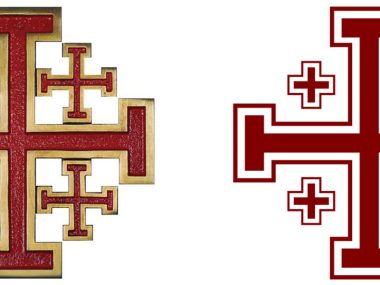
 Templar Uniform Editorial