The very mention of “Templar relics” conjures images of ancient mysteries, hidden treasures, and sacred artifacts imbued with spiritual power. For centuries, the Knights Templar, a monastic military order of unparalleled influence, were not only fierce warriors and astute financiers but also guardians of some of Christendom’s most revered objects. These relics, whether fragments of holy sites or personal effects of the brethren, held immense significance, serving as tangible links to their faith, their mission, and the divine protection they believed they enjoyed. 
The Allure of Templar Relics: More Than Mere Objects
Unlike simple historical artifacts, Templar relics often carried a dual weight: their intrinsic historical value and their profound spiritual resonance. They were not merely objects to be cataloged; they were sources of inspiration, symbols of devotion, and, in some cases, believed to possess miraculous properties. The Order’s deep spiritual commitment meant that any object connected to the sacred, particularly those from the Holy Land, would be treated with the utmost reverence and guarded with zealous dedication.

From fragments of the True Cross to the personal seals that authenticated their vast correspondence, these relics tell a story far richer than any single chronicle. They speak of a brotherhood bound by vows of poverty, chastity, and obedience, yet wielding immense temporal power. Understanding the relics associated with the Templars is to peer into the heart of their spiritual convictions and the material culture that underpinned their legendary existence. 
The allure of Templar relics extends beyond their material form; it lies in the stories they tell and the mysteries they embody. Each artifact, whether confirmed or legendary, serves as a portal to a bygone era, inviting us to explore the spiritual fervor, military might, and political intrigue that defined the Knights Templar. They are not just historical curiosities but powerful symbols that continue to resonate with seekers of history and legend alike.
The True Cross and Other Holy Treasures
Among the most significant and widely acknowledged relics associated with the Knights Templar was a fragment of the True Cross. This sacred artifact, believed to be a piece of the cross upon which Jesus Christ was crucified, was a central symbol of Christian faith and a powerful rallying point during the Crusades. The Templars, as primary defenders of the Latin Kingdom of Jerusalem, were often entrusted with its protection and carried it into battle, believing it offered divine favor and courage to the Christian armies.
The fragment of the True Cross was not exclusive to the Templars but was a shared treasure of the Crusader states. However, the Templars’ prominent role in military campaigns and their extensive network of fortresses and commanderies meant they were frequently responsible for its safekeeping. Its loss at the disastrous Battle of Hattin in 1187 was a devastating blow to Christian morale and a moment of profound spiritual crisis, underscoring the immense value placed on such holy objects by the crusaders, including the Templars.
Beyond the True Cross, the Templars, like other religious orders of their time, would have venerated various other holy relics. These might have included fragments of saints’ bones, pieces of clothing, or other objects believed to have touched sacred figures or places. While specific inventories are scarce, their role as custodians of holy sites in the Levant naturally placed them in proximity to, and often in charge of, numerous such revered items, reinforcing their image as devout protectors of Christendom’s spiritual heritage. 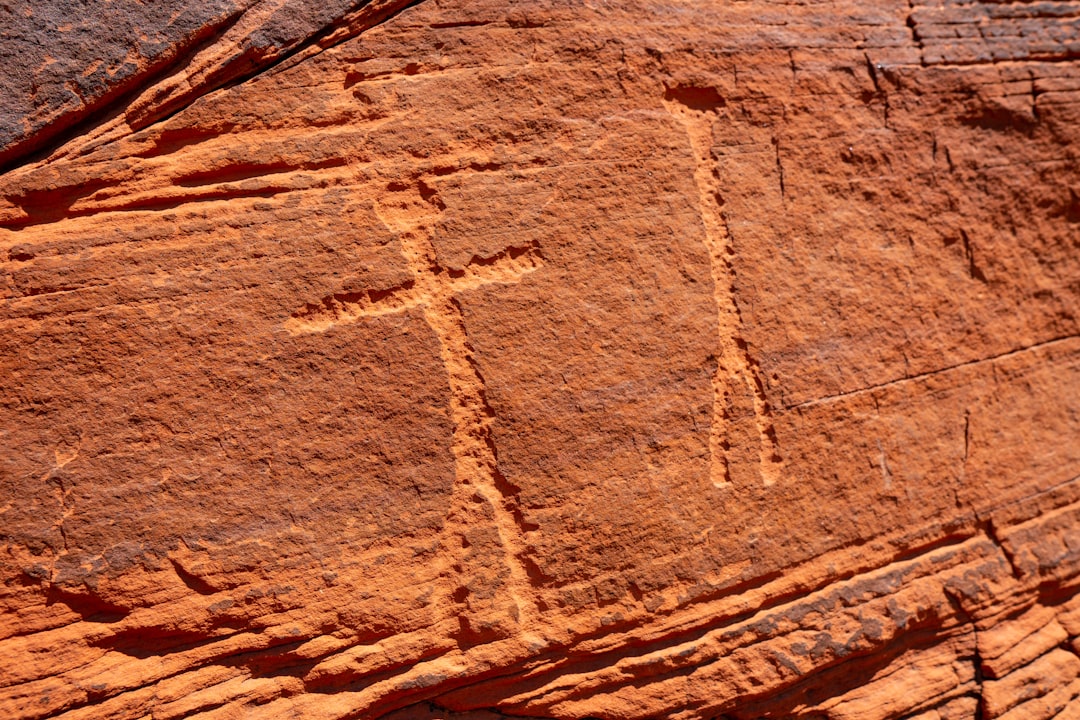
The Enigmatic Shroud of Turin: A Persistent Templar Link?
Perhaps one of the most intriguing and debated potential Templar relics is the Shroud of Turin, a linen cloth bearing the faint image of a crucified man. Its historical journey is shrouded in mystery, with a notable gap in its documented history between the Sack of Constantinople in 1204 and its reappearance in Lirey, France, in the mid-14th century. This period of absence coincides remarkably with the peak and subsequent suppression of the Knights Templar, leading some historians and researchers to propose a compelling, though unproven, connection.
Arguments linking the Shroud to the Templars often point to the Order’s presence in Constantinople during the Fourth Crusade, where many holy relics were plundered. It is suggested that the Templars might have acquired the Shroud, or a similar artifact, and kept it hidden, perhaps even venerating it in secret. The “face of Christ” imagery, which some believe is depicted on the Shroud, also aligns with certain accusations leveled against the Templars during their trials, where they were alleged to have worshipped an idol or a head, sometimes referred to as Baphomet, which some interpret as a veiled reference to a sacred image like the Shroud.
While definitive proof remains elusive, the circumstantial evidence fuels ongoing speculation. The Shroud’s sudden public appearance in France, decades after the Templars’ brutal suppression, in a region where many former Templar properties were located, adds another layer to the mystery. Whether the Templars were indeed the secret guardians of this profound artifact remains a subject of intense historical and scientific debate, yet it undeniably adds to the enduring mystique surrounding the Order’s hidden treasures. 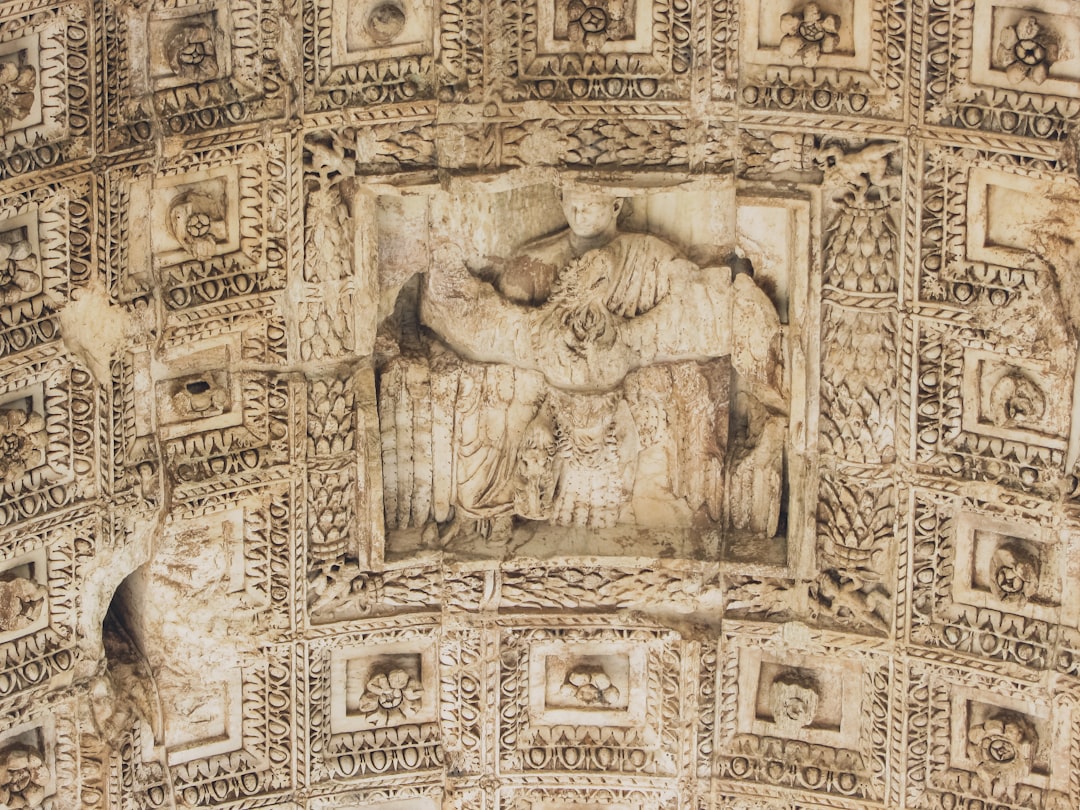
Beyond the Holy: Everyday Artifacts and Architectural Echoes
While the grand, sacred relics capture the imagination, a more grounded understanding of Templar “relics” also encompasses the everyday artifacts that speak volumes about their lives. These include the personal seals used by Grand Masters and local commanders to authenticate documents, coins minted or used by the Order, fragments of their distinctive white mantles with the red cross, and remnants of their weaponry and armor. These tangible items, often unearthed during archaeological digs, provide invaluable insights into the administrative, economic, and military aspects of the Templars’ vast enterprise. 
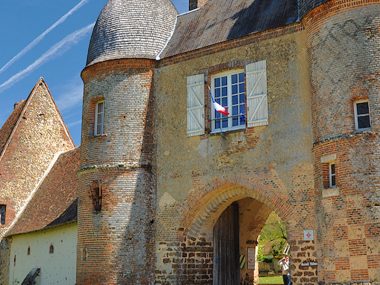
Beyond portable objects, the very structures they built stand as monumental relics of their presence. The ruins of Templar castles like Safed or Atlit in the Holy Land, the commanderies scattered across Europe, and the distinctive round churches, such as the Temple Church in London, are powerful architectural echoes of their power and influence. These sites, often bearing the distinctive Templar cross or other symbolic carvings, offer a direct, physical connection to the Order’s daily operations, strategic thinking, and spiritual practices. 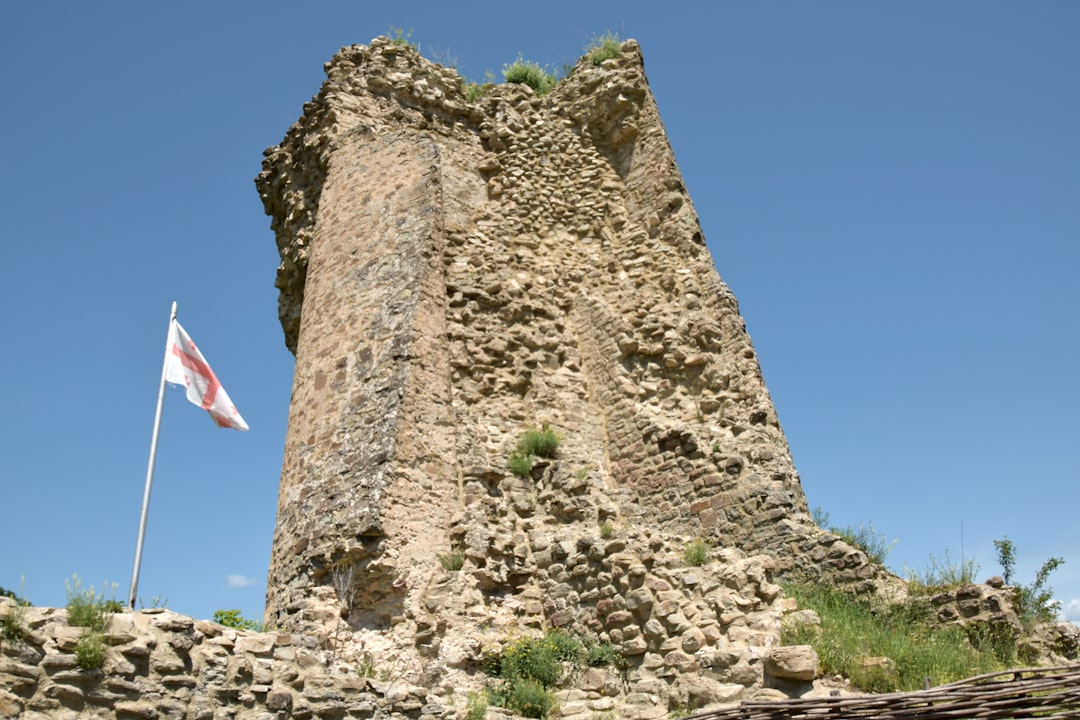
These less glamorous, but equally vital, artifacts and architectural remnants allow historians to reconstruct the practical realities of Templar life. They reveal the intricate bureaucracy of a global organization, the martial prowess of its knights, and the spiritual devotion that permeated their existence. From a simple lead seal to the towering walls of a crusader fortress, each piece contributes to a more complete and nuanced understanding of the Knights Templar, moving beyond pure legend to verifiable historical fact.
The Enduring Quest for Templar Treasures
The fascination with Templar relics shows no signs of waning. The Order’s dramatic downfall, coupled with the persistent rumors of vast hidden wealth and sacred objects, has fueled centuries of treasure hunts, scholarly investigations, and popular culture narratives. From the Holy Grail to the Ark of the Covenant, countless legendary artifacts have been speculatively linked to the Templars, often without concrete historical evidence, but always with an irresistible allure that speaks to humanity’s desire for mystery and discovery.
This enduring quest has, unfortunately, also led to numerous hoaxes and unsubstantiated claims. The romanticized image of the Templars as secret keepers of profound knowledge or unimaginable riches often overshadows the meticulous work of archaeologists and historians. It is crucial to approach such claims with a critical eye, relying on verifiable evidence and scholarly consensus rather than sensationalism, to truly understand the historical legacy of the Order and the genuine artifacts they left behind.
Ultimately, the true “relics” of the Knights Templar are not just the physical objects, but the enduring legacy of their courage, their faith, and the profound impact they had on medieval Europe and the Holy Land. Whether a fragment of a sacred cross, a debated shroud, or the humble remains of a Templar commandery, these artifacts continue to invite us to explore a pivotal chapter in history, reminding us of the power of belief, the complexities of power, and the mysteries that still lie buried beneath the sands of time. 
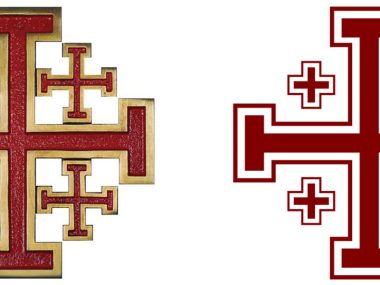
 Templar Uniform Editorial