
Introduction: The Enduring Allure of Templar Aesthetics
The visual language of the Knights Templar, forged in the crucible of the Crusades, continues to resonate deeply in contemporary culture. Far from being a mere historical curiosity, Templar style represents a powerful blend of spiritual devotion, military discipline, and a distinctive aesthetic that transcends centuries. This article explores the core design elements that defined the Order’s appearance, examining the profound meanings embedded within each choice.
Understanding Templar design goes beyond appreciating its historical context; it involves recognizing deliberate choices made to convey identity and purpose. From the iconic cross to the stark color palette, every aspect of their attire and insignia was imbued with symbolic weight, communicating their unique status as warrior-monks. This enduring legacy explains why Templar aesthetics remain a compelling subject for products and collections currently available.

The Iconic Templar Cross: A Symbol of Faith and Sacrifice
At the heart of Templar style lies the distinctive cross, most commonly recognized as the cross pattée. This emblem, with its arms narrow at the center and flaring out, was not merely decorative but a potent symbol of their Christian faith and readiness for sacrifice. Worn prominently on their white mantles, it served as an immediate identifier on the battlefield and a constant reminder of their sacred vows.

While the cross pattée is the most famous, other variations, such as the Jerusalem cross, also held significance. Regardless of its specific form, the cross unequivocally communicated the Templars’ spiritual mission and their dedication to defending pilgrims and holy sites. Its bold, geometric simplicity made it instantly recognizable and a powerful visual statement of their commitment.
Color Palette: Red, White, and Austerity
The Templars’ uniform was characterized by a striking, yet austere, color scheme: a white mantle adorned with a red cross. The white represented purity, chastity, and monastic vows, signifying their detachment from worldly desires. It contrasted with the more elaborate heraldry of secular knights, emphasizing the Templars’ unique status as religious warriors.
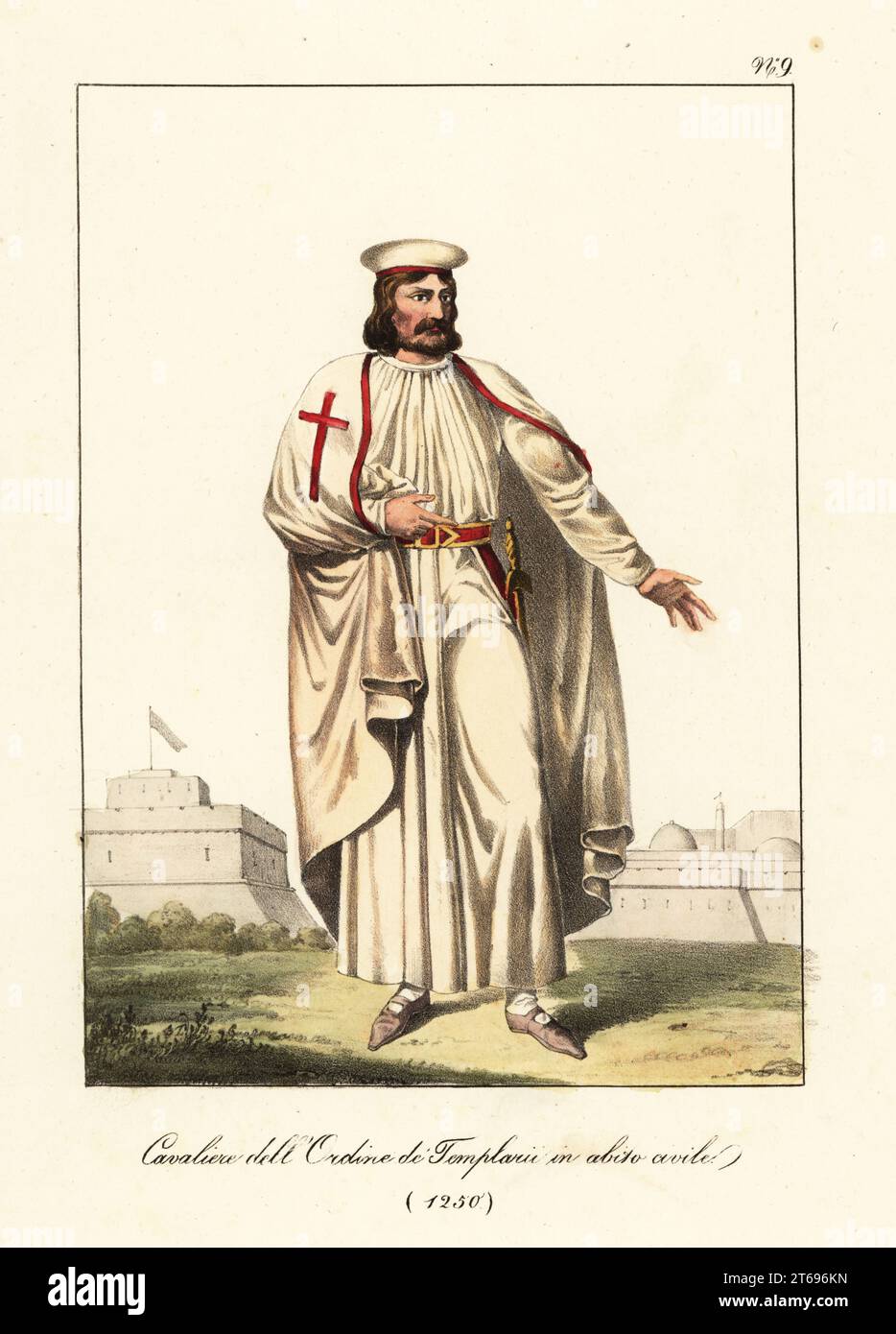
The vibrant red cross, sewn onto the white mantle, symbolized martyrdom and the blood of Christ. It was a declaration of their willingness to shed their own blood in defense of their faith. This powerful combination of white and red was chosen for its profound spiritual and military significance, projecting both piety and unwavering resolve. The absence of other colors underscored their commitment to humility and functionality.
Armor and Attire: Functionality Meets Form
The practical attire of a Knight Templar reflected their dual role as monks and soldiers. Beneath their distinctive mantles, they wore standard military gear, including chainmail hauberks and helmets. This armor was designed for protection and utility in combat, prioritizing survival. The surcoat, often white with the red cross, was worn over the armor for identification and to protect the metal from the sun.
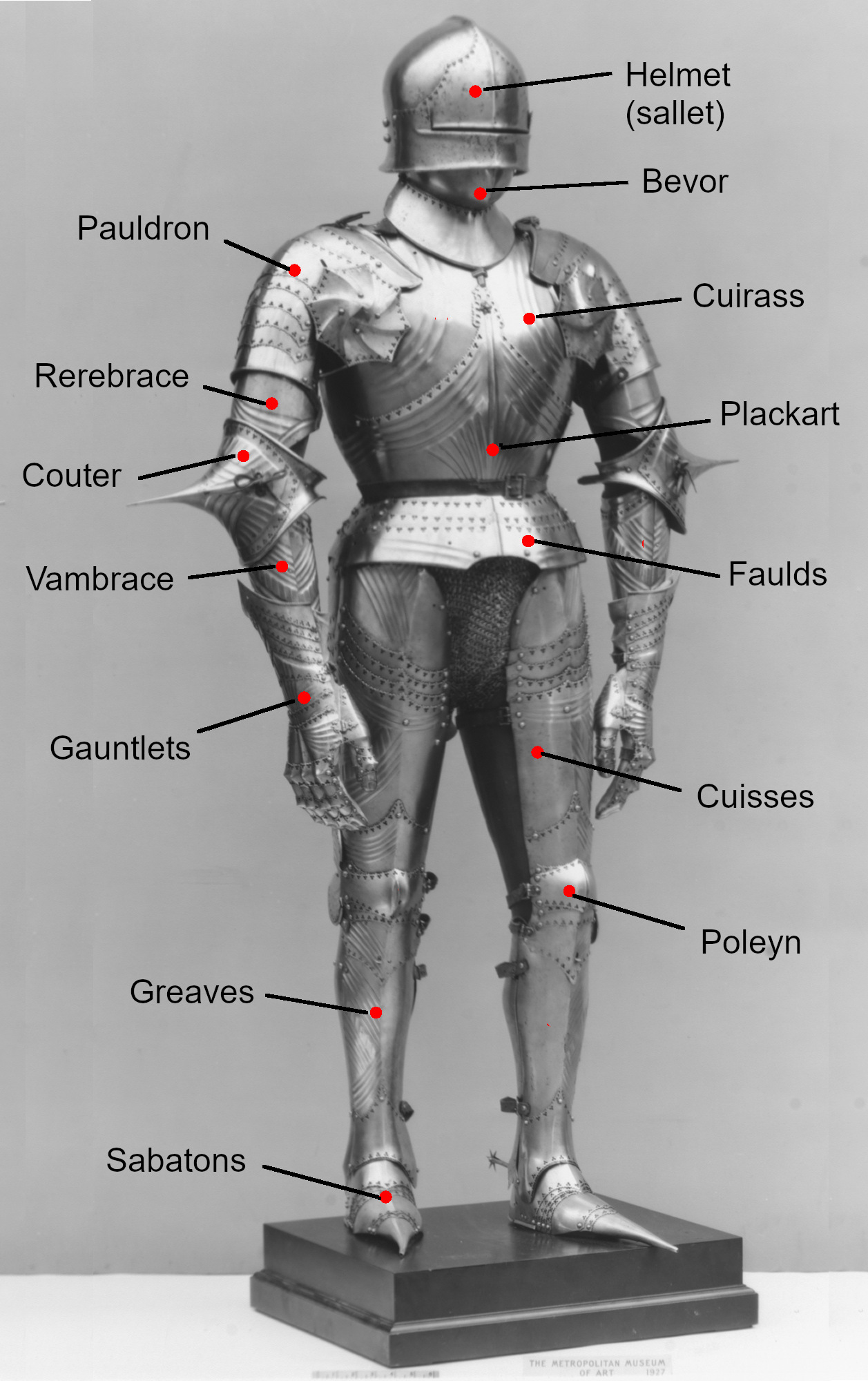
Beyond the battlefield, the Templars’ daily attire would have been simple monastic robes, reflecting their vows of poverty. This blend of formidable military equipment and humble monastic dress underscored their unique identity. Their clothing choices were a direct manifestation of their operational needs and spiritual commitments, demonstrating a pragmatic approach where form was dictated by function and symbolic meaning.
The Seal of the Templars: Humility and Brotherhood
One of the most evocative symbols associated with the Knights Templar is their seal, famously depicting two knights riding on a single horse. This image is widely interpreted as a powerful representation of the Order’s initial poverty and humility, as well as the strong bond of brotherhood among its members. Two knights sharing one steed conveyed a profound message of shared resources and mutual support.
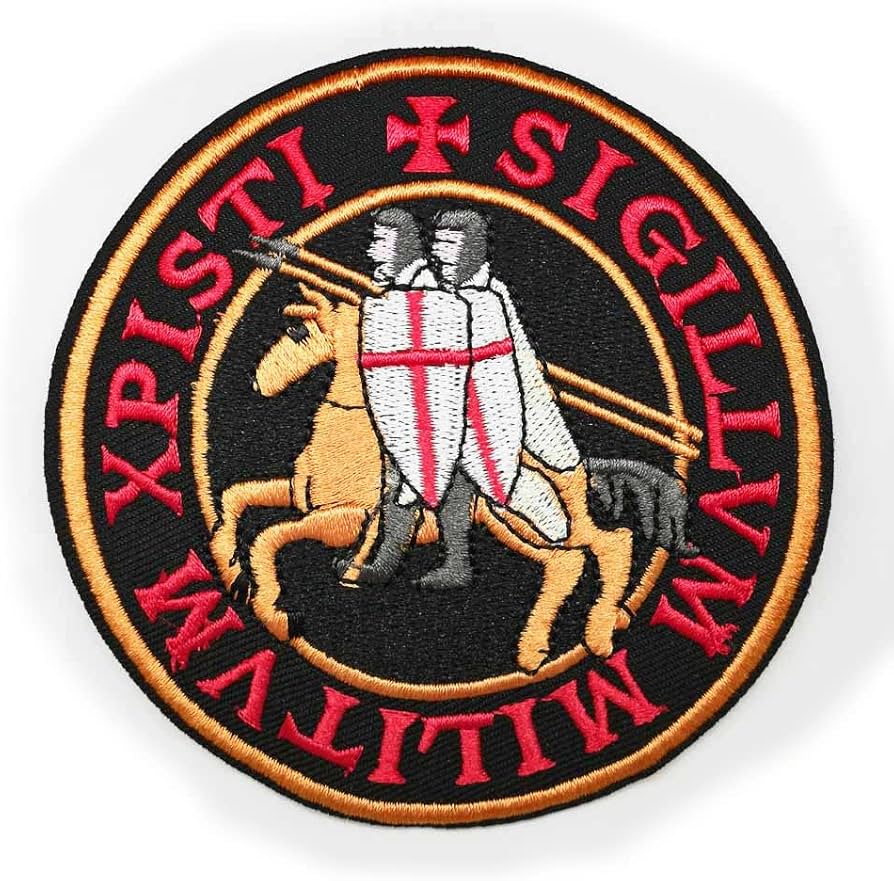
This seal served as a visual testament to the Templars’ founding principles, highlighting their origins in austerity and their collective dedication to a common cause, rather than individual glory. The symbolism of shared burden and unwavering solidarity continues to resonate, offering a timeless message about teamwork and commitment that remains relevant in various contexts today.
Modern Interpretations: Echoes in Contemporary Design
In recent years, the aesthetic principles of Templar style have found renewed interest and interpretation across various design fields. Contemporary fashion and accessory lines often draw inspiration from the clean lines, bold symbolism, and historical gravitas inherent in Templar attire. Designers frequently incorporate elements like the cross motif, the stark red and white color palette, and the utilitarian simplicity into modern collections.
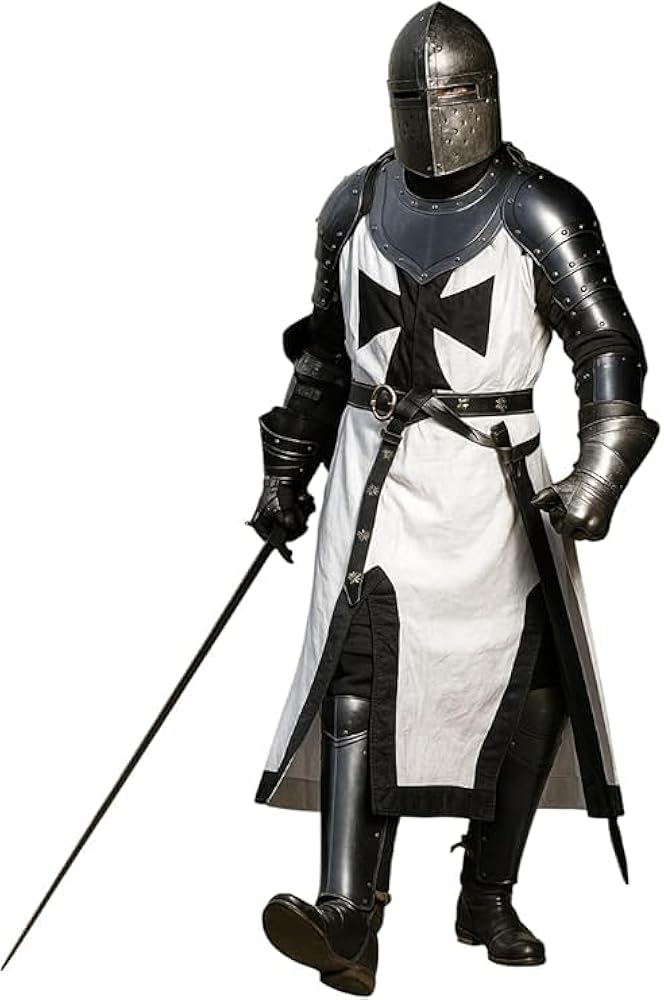
The appeal lies in the timeless qualities that Templar design embodies: discipline, purpose, and a strong sense of identity. While modern interpretations adapt these elements for current sensibilities, they often retain the core essence of what made the original Templar style so impactful. This ongoing dialogue between historical precedent and contemporary expression ensures the meaning behind the design continues to evolve.
The Enduring Spirit of Templar Design
The Templar style, with its deliberate choices in symbolism, color, and functionality, offers a rich tapestry of meaning that extends far beyond its historical origins. It speaks to universal themes of commitment, sacrifice, and identity, making it a powerful source of inspiration. The enduring appeal of Templar design in products and collections today is a testament to its timeless ability to convey strength, purpose, and a profound connection to a storied past.
As we observe the continued presence of Templar-inspired aesthetics, it is clear that the underlying principles of their design — clarity, symbolism, and a focus on core values — remain highly relevant. These elements offer more than just visual appeal; they provide a narrative, inviting individuals to connect with a legacy of unwavering dedication and a distinct visual heritage.

 Templar Uniform Editorial


