Setting the sacred space: creating the modern commandery
In the quiet hum of the modern world, there exists a profound human yearning for connection, for purpose, and for a link to a past steeped in honor and mystique. For enthusiasts of Templar history and members of modern orders, this yearning finds its voice in the art of the ritual gathering. These are not mere meetings; they are meticulously crafted experiences designed to transport participants from the mundane to the meaningful. Far from being simple historical reenactments, modern Templar gatherings are living, breathing traditions that weave the threads of the past into the fabric of contemporary life. Central to this entire experience is the deliberate creation of a sacred space—a modern commandery that serves as the vessel for ceremony and community.
Historically, a Templar commandery or preceptory was a bastion of faith, a training ground for knights, and an administrative hub. It was a physical place imbued with spiritual significance. Today, creating that same atmosphere without a medieval stone fortress requires intention and a deep understanding of symbolism. The transformation of a community hall, a Masonic lodge, or even a private room into a sacred space begins with the visual and sensory language of the order. The most potent of these symbols is the iconic Bauceant, the black and white banner of the Knights Templar. Its stark duality—representing the Templar’s dual nature as both monk and warrior, and the world of light versus the world of darkness—immediately sets a tone of solemnity and purpose. When unfurled, it doesn’t just decorate a room; it claims it for the proceedings to come.

Beyond the banner, the space is layered with symbolic elements. An altar often forms the focal point, draped in white linen and holding candles whose light represents enlightenment and the ever-present spirit of God. Upon it may lie a bible, a sword, or a skull, each an object for contemplation on faith, duty, and mortality. Crosses, particularly the distinctive croix pattée with its splayed arms, adorn walls and regalia, constantly reminding attendees of the vow of martyrdom that was central to the original order. The strategic use of light and shadow, often achieved with candlelight, softens the hard edges of the modern world and encourages introspection. The air itself can be sanctified through the burning of traditional incense like frankincense, its scent a timeless trigger for spiritual awareness. This careful orchestration of the environment is the first step in the ritual process. It is a conscious act of separation, creating a temporary sanctuary where the clamor of daily life fades and the spirit of the Templar tradition can be fully embraced.
The power of the uniform: attire as a conduit for tradition
Once the sacred space is set, the focus turns to the participants themselves, and no element is more critical to their transformation than the uniform. On the Knight Templar Uniform Blogs, we often discuss the history and symbolism stitched into every garment, but it is in the context of ritual that this attire transcends fabric and thread to become a powerful psychological and spiritual tool. The act of dressing for a gathering is, in itself, the first personal rite of the ceremony. It is a deliberate shrugging off of the civilian self and the assumption of a persona dedicated to the ideals of the order.

At the heart of this transformation is the iconic white mantle. Simple, yet profoundly symbolic, its color represents the purity and chastity required of the original knights. When a modern member dons the mantle, they are not merely putting on a costume. They are wrapping themselves in a legacy of commitment. The weight of the fabric on their shoulders is a physical reminder of the weight of the vows and ideals they uphold. Over the heart, the crimson cross serves as a stark, powerful counterpoint. It is the symbol of a willingness to sacrifice, a public declaration of faith and a connection to the very concept of martyrdom that defined the Poor Fellow-Soldiers of Christ and of the Temple of Solomon. The uniform immediately erases the external markers of status, wealth, and profession that define us in the outside world. Inside the commandery, all are brothers or sisters, united by a common purpose and a shared visual identity.
The uniform extends beyond the mantle. A simple black or white tunic worn beneath provides a humble foundation. A leather belt, from which a sword might hang, symbolizes readiness and a commitment to defend the faith and the innocent. Gloves, typically white, speak of clean hands and pure intentions in one’s work. While modern regalia may vary between organizations, the core principles remain. Swords used in ceremony are not weapons of aggression but tools of investiture and symbols of justice and authority. The conscious choice of materials, from heavy wool for mantles to polished steel for gorgets or crosses, connects the wearer to the tangible reality of the past. This physical connection is vital. It grounds the abstract ideals of honor, duty, and faith in a sensory experience, making them more immediate and potent. The uniform is a conduit, a channel through which the spirit of the historical Templars can flow into the modern practitioner, preparing them to participate fully in the sacred choreography of the ritual.
The choreography of ceremony: from procession to feasting
With the space consecrated and the participants attired, the ritual itself can unfold. Modern Templar ceremonies are a form of sacred theater, a structured sequence of actions and words designed to reinforce the order’s values and strengthen the bonds between its members. This is not an empty performance; it is a shared, embodied experience. The ceremony typically begins with a procession. Members enter the space in a deliberate, ordered fashion, often led by the banner and the commanding officers. This simple act of walking in unison establishes a rhythm and a sense of collective identity, moving as one body with one purpose.
The core of the gathering can encompass a wide range of activities, depending on the occasion. It may be an investiture, where a new member is brought into the fold, taking vows and being knighted in a deeply moving ceremony that echoes traditions centuries old. The tap of a sword on the shoulders is a powerful moment of transition, a symbolic bestowing of a new identity and a new set of responsibilities. Other rituals might involve the commemoration of significant historical dates, such as the founding of the order or the tragic events of Friday, October 13th, 1307. Readings from historical texts, scripture, or philosophical works provide intellectual and spiritual nourishment, followed by periods of silent contemplation. These moments of shared silence are often among the most powerful, as the community collectively reflects on the words and their meaning in their own lives. The power of the spoken word, especially in the form of oaths and affirmations repeated in unison, is immense. It transforms personal belief into a public, binding commitment, witnessed and supported by the entire group.
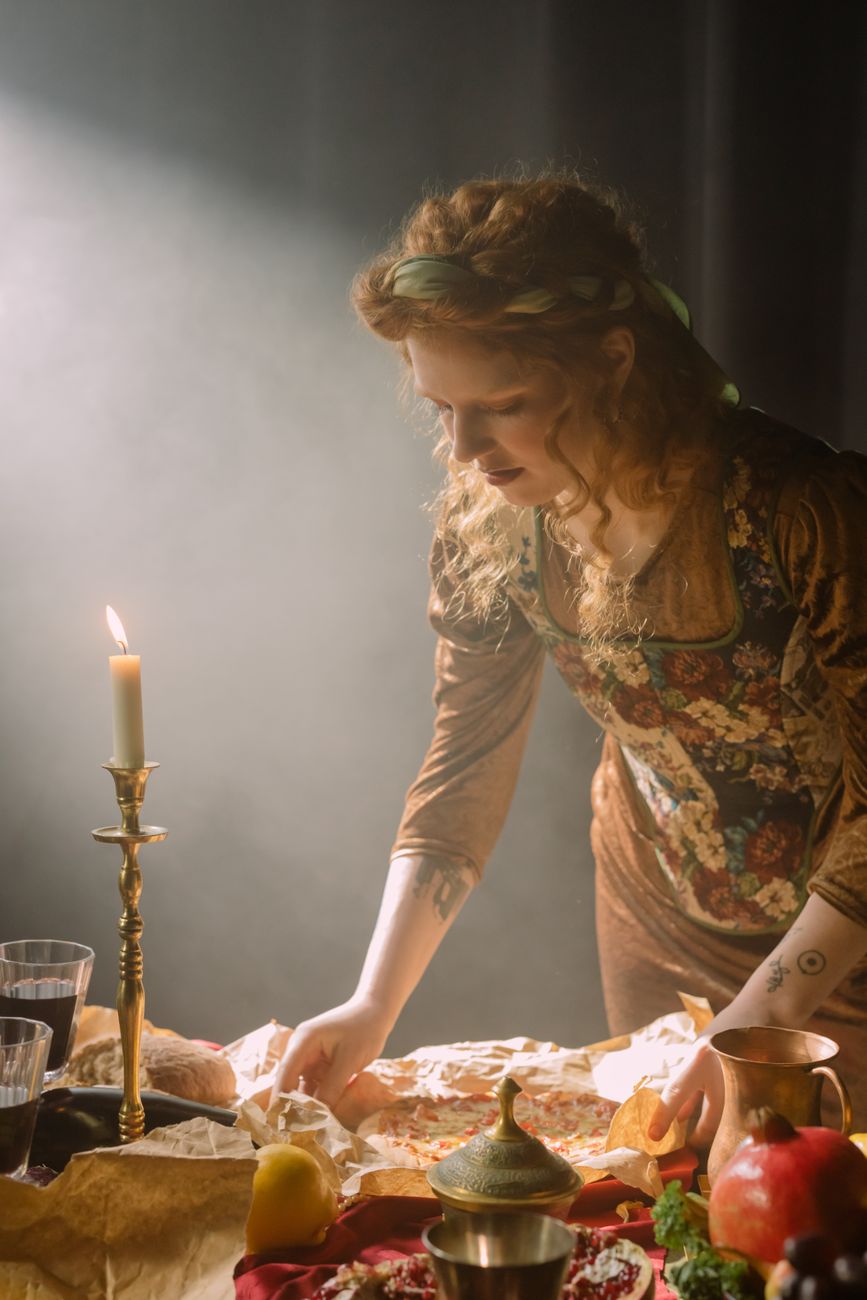
Just as important as the solemn ritual is what follows: the breaking of bread. After the formal ceremony is closed, the gathering often transitions to a feast or a more informal meal, sometimes called an agape, a term for brotherly love. This shift from solemnity to celebration is crucial for building a true community. It is here, with mantles perhaps set aside, that the bonds forged in ritual are solidified through conversation, laughter, and shared sustenance. This practice mirrors the historical Templars, who lived, ate, and prayed in community. The feast is not an afterthought; it is the essential human component that balances the divine aspirations of the ritual. It is in the relaxed atmosphere of the shared table that members truly get to know one another, offering support, sharing knowledge, and building the trust that turns an organization into a genuine brotherhood or sisterhood. It is this complete cycle—from the quiet preparation of the space, to the transformative power of the uniform, through the solemnity of ritual and into the warmth of communal feasting—that makes the modern Templar gathering a truly profound and enduring art form.

 Templar Uniform Editorial