In any professional setting, what we wear often carries meaning beyond just fabric and stitching. Whether it’s a healthcare scrub, a service industry polo, or an office blazer, uniforms and professional attire communicate. Understanding the power of symbols, even those from historical groups like the Knights Templar, can offer practical insights into how our own workplace appearance impacts team cohesion, client trust, and daily operations. This isn’t about history lessons, but about applying timeless principles to modern work realities.
The Red Cross – Clear Identification and Trust
The Templar’s red cross was an unmistakable identifier. In today’s workplaces, clear visual cues serve a similar purpose. A prominent company logo on a uniform helps customers quickly identify staff members. This is crucial in retail or service environments where quick assistance is expected.

Beyond customer service, clear identification enhances safety. In industrial or healthcare settings, specific uniform colors or badges can denote roles, experience levels, or access permissions. This reduces confusion and can prevent errors, directly impacting operational efficiency and safety protocols.

The Beauséant – Balancing Professional Presence
The Templar’s black and white banner, the Beauséant, symbolized a balance: fierce to foes, fair to friends. For professionals, this translates to balancing authority and competence with approachability. A uniform needs to convey professionalism without being intimidating.
Consider a corporate environment where a sharp suit projects confidence, yet a friendly demeanor makes colleagues and clients feel at ease. In service roles, a clean, well-fitted uniform signals competence, while a welcoming smile encourages interaction. The uniform sets the stage; your conduct completes the message.
The Seal of Two Knights – Teamwork and Resourcefulness
The image of two knights sharing one horse symbolized humility, shared purpose, and resourcefulness. In modern teams, this translates to unity and practical collaboration. Uniforms can foster a sense of shared identity, reminding everyone they are part of a larger unit.
Standardized uniforms promote equality among team members, reducing distractions related to individual fashion choices. This focus on a common goal can boost morale and efficiency. Furthermore, practical uniform design, like durable fabrics or multi-pocketed garments, reflects resourcefulness by supporting diverse job tasks without unnecessary expense.
While initial cost savings on uniforms might seem like a clear win, the true expense often surfaces later. Opting for lower-quality materials can mean uniforms wear out faster, requiring more frequent replacements. This isn’t just about the cost of new garments; it’s also the hidden administrative burden of reordering, managing inventory, and distributing replacements. A perpetually worn-out uniform stock can subtly erode the professional image and shared identity the program was meant to build, leading to a decline in morale and external perception.
The theory of a standardized uniform promoting efficiency can also hit practical snags. A design that works well for one task or body type might be restrictive or uncomfortable for another, even within the same team. For instance, a uniform designed for light office work might impede movement for someone on the production floor, or a fabric suitable for a cool environment might cause overheating in a warmer setting. This mismatch can lead to employees modifying uniforms, which undermines standardization, or experiencing daily discomfort, impacting focus and productivity. Supervisors then face the challenge of enforcing standards while addressing legitimate comfort and functional concerns.
The Eight-Pointed Cross – Values in Daily Wear
Many historical symbols, like variations of the eight-pointed cross, were associated with virtues. In a workplace, your uniform and how you wear it can reflect core company values. For instance, a uniform designed for durability in an industrial setting speaks to a value of resilience and hard work.
For healthcare professionals, a pristine uniform reflects a commitment to hygiene and patient care. In an office, a crisp, professional outfit aligns with values of precision and attention to detail. How employees present themselves in uniform reinforces these underlying principles to both internal and external stakeholders.

The White Mantle – The Power of Presentation
The Templar’s white mantle symbolized purity and commitment. In today’s work environment, the cleanliness and maintenance of a uniform directly impact professional perception. A clean, pressed uniform signals attention to detail and respect for one’s role and organization.
Conversely, a stained, wrinkled, or ill-fitting uniform can undermine credibility, regardless of an employee’s actual competence. Establishing clear guidelines for uniform care and presentation is a practical step for any organization. It ensures that every employee consistently projects a professional image, reinforcing trust and reliability.

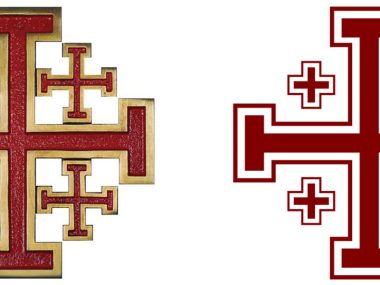
 Templar Uniform Editorial