
In the quiet corners of our modern lives, there is a growing yearning for spaces of reflection and contemplation. For admirers of the Poor Fellow-Soldiers of Christ and of the Temple of Solomon, the Knights Templar, this often translates into creating a personal sanctuary—a home shrine. While statues, books, and replicas of arms and armor serve as powerful reminders of the Order’s legacy, nothing captures the warmth, history, and profound devotion of the era quite like a tapestry. More than mere decoration, a well-chosen and reverently displayed tapestry transforms a simple wall into a gateway to the past, inviting you to connect with the timeless ideals of faith, courage, and unwavering service.
Historically, tapestries were the treasures of medieval Europe. They were far more valuable than paintings, serving as insulation in cold stone castles, vibrant storytellers in an age of illiteracy, and portable symbols of wealth and power. For a militant monastic order like the Templars, whose chapels and preceptories dotted the landscapes of Christendom, textiles would have softened the austerity of their stone-built homes, depicting scenes of scripture and saintly lives. A tapestry in your home shrine does the same, offering a tactile and visual warmth that cold metal or stone cannot. It absorbs sound, creating a hushed, reverent atmosphere, and its woven threads seem to hold stories within their very fibers. This guide will walk you through the art of selecting the perfect Templar tapestry and creating a sacred space that honors the profound spirit of the Order.

Choosing your sacred cloth: symbolism in Templar tapestries
The first step in creating your shrine is selecting its heart—the tapestry itself. This is not a decision to be rushed. The piece you choose will be the focal point of your contemplation, a visual mantra that you return to time and again. It should be more than just an aesthetically pleasing image; it must resonate with the specific aspects of the Templar ethos that speak most powerfully to you. The beauty of modern reproductions is the vast array of available designs, allowing you to find a piece that truly aligns with your personal path of reflection. When making your choice, consider both the story it tells and the quality of its creation.
The power of iconography

Templar art is rich with a symbolic language that conveys the core tenets of the Order. Understanding this iconography is key to selecting a tapestry with deep personal meaning. Look for pieces that feature these powerful symbols:
- The Two Knights on a Single Horse: Perhaps the most famous Templar image, it is often represented on the Order’s seal. This symbol is a profound statement on the vow of poverty and the spirit of brotherhood. It reminds us that even the most powerful knights relied on one another, sharing their resources and their journey. A tapestry with this emblem is perfect for a shrine focused on humility, community, and mutual support.
- The Beausant: The Templar battle standard, starkly divided into a black upper half and a white lower half. It symbolized the Templar’s dual nature: fierce to their enemies (black) but fair and kind to their Christian allies (white). It represents the balance of light and shadow, peace and war, and the complex reality of a warrior monk. Displaying the Beausant is a commitment to embracing this duality and striving for inner balance.
- The Cross Pattée: The distinctive red cross with arms that are narrow at the center and flare out at the ends. Worn on their white mantles, this cross signified their status as crusaders and their willingness to be martyred for their faith. The four arms are sometimes said to represent the four cardinal virtues: prudence, temperance, justice, and fortitude. A tapestry featuring the cross is a powerful focal point for meditating on sacrifice, virtue, and unwavering faith.
- The Agnus Dei (Lamb of God): Another symbol used on Templar seals, the Lamb of God holding a cross or banner represents Jesus Christ and his sacrifice. It highlights the deeply pious and Christ-centered nature of the Order, reminding us that their martial prowess was entirely in the service of their spiritual devotion.
Beyond individual symbols, consider tapestries that depict scenes. Some might show knights in prayer, emphasizing the monastic side of the Order. Others may portray historical events like the Siege of Acre, focusing on their courage and martial skill. Ask yourself: do you wish to contemplate the Templar as a monk, a warrior, a diplomat, or a symbol of esoteric wisdom? Let the answer guide your hand.
Material and craftsmanship
The physical nature of the tapestry contributes significantly to its presence. While an original 13th-century piece is beyond reach, modern reproductions offer excellent quality. Most are woven from cotton or a durable cotton-polyester blend, which provides a fine detail in the design and a pleasing weight. The weaving technique, often jacquard, allows for complex and colorful imagery. Feel the weight of the fabric. Consider the richness of the colors. A well-made tapestry has a tangible presence that a simple poster or print lacks. It is an object of substance, fit to be the centerpiece of a sacred space.
Consecrating the space: preparing your home shrine
Once you have chosen your tapestry, the next step is to prepare the physical space where it will reside. This process is as much an act of intention as it is of interior design. You are not merely decorating a room; you are setting aside a piece of your home for a higher purpose. The goal is to create an environment that is conducive to quiet, reflection, and a connection to the historical and spiritual legacy of the Templars.
Location, location, devotion

The ideal location for your shrine is a place of relative peace and quiet. This could be a corner of a study, a section of a bedroom, or a nook in a living area that doesn’t see constant foot traffic. Consider the flow of energy in your home. You want a spot that feels calm and protected, not one that is in the middle of household chaos. Pay attention to the light. While you must protect the tapestry from direct, harsh sunlight, a location that receives soft, indirect natural light during the day can feel wonderfully serene. The space doesn’t need to be large, but it should be dedicated. This is a place you will return to regularly, so it should feel both accessible and set apart from the mundane.
The altar and its elements
Your tapestry will serve as the magnificent backdrop, or reredos, for your shrine. To complete the space, consider placing a small table, shelf, or antique chest beneath it to act as an altar. This surface is where you can place other objects that help focus your intention and create a multi-sensory experience. The elements you choose are deeply personal, but here are some suggestions rooted in Templar themes:
- Light: Candles are essential. Their flickering flame brings the woven figures on the tapestry to life and creates an atmosphere of ancient reverence. Choose simple white or beeswax candles. An oil lamp can also add a wonderfully historic touch.
- Literature: Place a book of significance on the altar. This could be a historical text on the Templars, a copy of the Rule of the Order, the Psalms, or a personal journal for recording your own reflections.
- Symbols: A small, stand-alone Templar cross, a replica of a Templar seal, or even a humble stone from a place of personal significance can ground the space.
- The Martial Element: A small, symbolic replica dagger or sword can represent the ‘warrior’ aspect of the warrior-monk, reminding you of the virtues of courage, discipline, and the defense of one’s principles.
- Scent: The sense of smell is powerfully linked to memory and mood. Burning a small amount of frankincense, myrrh, or cedar incense can purify the space and evoke the scent of ancient churches and chapels.
The art of display: hanging your tapestry with reverence
The final, practical step is to hang your chosen tapestry. The method you use should be secure, safe for the fabric, and aesthetically in keeping with the sacred atmosphere you’ve cultivated. A poorly hung tapestry can look untidy and diminish its impact, while a thoughtful installation elevates the piece to its rightful place as a work of art and devotion.
The classic rod and finials
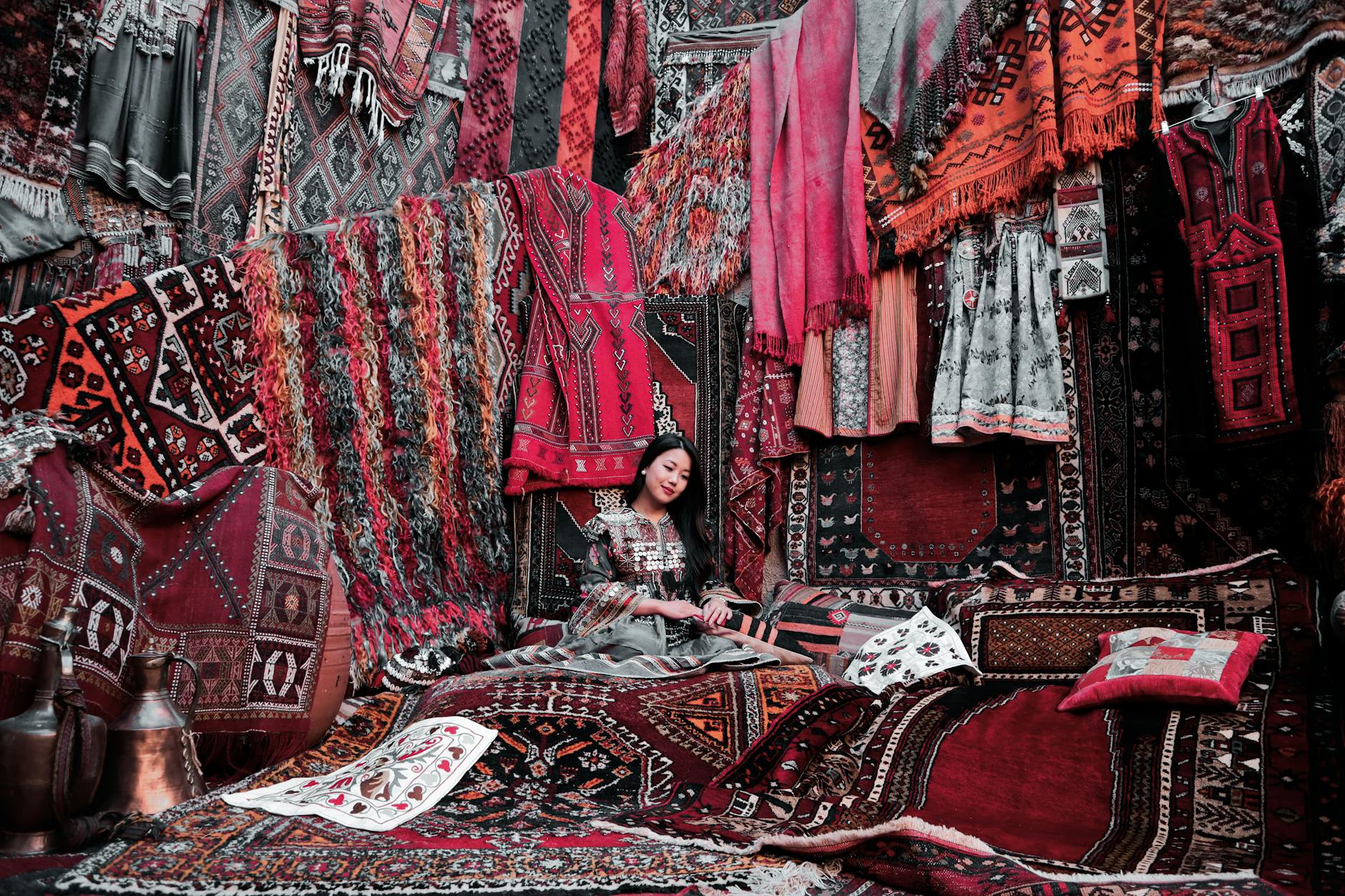
The most traditional and stately method for hanging a tapestry is with a dedicated tapestry rod. Most quality tapestries come with a rod pocket—a sleeve of fabric sewn across the top of the back. You simply slide a decorative rod through this pocket and place it on brackets mounted to the wall. This method ensures the tapestry hangs evenly and allows it to sit a small distance from the wall, giving it a sense of presence and depth.
Choosing the right hardware is part of the art. A wrought-iron rod with simple, strong finials (the decorative ends) evokes a medieval, castle-like feel. A dark, polished wooden rod can offer a warmer, more monastic ambiance. Select finials that complement the theme—perhaps a fleur-de-lis, a simple sphere, or even a custom cross pattée design. Ensure your brackets are securely anchored to the wall, as a quality tapestry has significant weight.
The minimalist approach
For a more modern look, or if you want the tapestry to appear as if it’s floating on the wall without visible hardware, you can use a hidden batten or slat. This involves securing a thin, flat piece of wood (the batten) to the wall. Then, one side of a strip of heavy-duty Velcro is stapled or glued to the batten, and the corresponding side is carefully sewn onto the back of the tapestry at the top. The tapestry is then simply pressed onto the batten. This method provides a clean, crisp edge and is excellent for smaller spaces where a large rod might feel overwhelming.
Caring for your sacred cloth
Displaying your tapestry with reverence also means caring for it properly. The greatest enemies of textiles are direct sunlight, which fades colors, and moisture, which can lead to mildew. Ensure your shrine is in a dry location out of the sun’s direct path. Over time, dust will settle on the fabric. Once or twice a year, you can gently vacuum it using a soft brush attachment on the lowest suction setting. Treat this act of cleaning not as a chore, but as another form of devotion—a way of tending to the heart of your sacred space.
Creating a home shrine around a Templar tapestry is an act of weaving the past into the present. It is a declaration that the virtues of the Order—faith, brotherhood, courage, and service—still have profound meaning today. Your shrine becomes more than just a collection of objects in a corner; it becomes a focal point for your inner life, a quiet harbor where you can reflect on these timeless ideals. In the intricate threads of your tapestry, you will find stories of history and symbols of faith, inviting you to unveil the legend in every stitch and, in doing so, discover more about your own journey.

 Templar Uniform Editorial


