Even organizations from centuries past faced the practical challenge of maintaining standards and valuing their essential assets. For U.S. professionals today, whether in healthcare, service, industrial, or office settings, understanding how groups like the Knights Templar managed their ‘relics and heritage’ can offer clear, actionable insights.
This isn’t about history for its own sake. It’s about drawing practical lessons for managing your team’s uniforms, equipment, and overall professional appearance, ensuring durability, compliance, and a strong team identity in your daily work.

Protecting Essential Tools and Uniforms
In any workplace, uniforms and specialized tools are critical. They are not just accessories; they are fundamental to job performance and safety. Consider how the Knights Templar treated their significant items—their banners, their weapons, even their sacred objects. These were maintained with extreme care, not merely for symbolic reasons, but because their function was vital to their operations and survival.
For modern teams, this translates directly to how we manage our work gear. Proper care of uniforms, safety equipment, and specialized tools extends their lifespan, reduces the need for costly replacements, and ensures they are always ready for use. This means following cleaning guidelines, storing items correctly, and addressing minor repairs promptly. The trade-off is often between the initial investment in quality items and the ongoing cost and inconvenience of frequently replacing cheaper, less durable alternatives. Overlooking routine maintenance can lead to unexpected expenses and operational delays.

Establishing Clear Standards for Professional Appearance
A consistent professional appearance is a cornerstone of workplace effectiveness. Without clear guidelines, standards can drift, leading to confusion and an inconsistent team image. The Knights Templar, through their ‘heritage,’ maintained strict rules for their attire and conduct. This wasn’t just about tradition; it ensured immediate recognition, discipline, and a unified front.
Today, clear, written uniform policies are essential. They remove ambiguity for employees and supervisors alike. Whether it’s the specific color of scrubs in a hospital, the type of safety gear on a factory floor, or the dress code in an office, explicit standards ensure compliance and project a consistent, reliable image to clients, patients, or the public. A common mistake is assuming everyone understands the ‘unwritten rules,’ which often leads to varied interpretations and a fragmented appearance.

Building Team Identity Through Shared Standards
A strong team identity fosters cohesion and trust, both internally and externally. How does a team maintain this, especially across different shifts or locations? The Templars’ distinctive uniform and shared heritage were central to their identity and reputation. It created a powerful sense of belonging and purpose, making them instantly recognizable and respected.
In modern workplaces, a consistent uniform and adherence to professional appearance standards serve a similar purpose. This is particularly vital in service industries where customer perception is key, or in healthcare where patient trust is paramount. A unified appearance signals professionalism, reliability, and a collective commitment to service. Decision-makers often weigh the cost of branded uniforms against the significant benefit of a cohesive team image and enhanced public perception. It’s an investment in your team’s collective brand.
While the upfront cost of uniforms is clear, the hidden costs of inconsistent application or poor quality often go unaddressed. If some team members receive new, well-fitting uniforms while others are left with worn-out or ill-fitting items, it can create internal resentment. This isn’t just about appearance; it’s about perceived fairness and how valued an employee feels. Over time, such discrepancies can quietly erode the very cohesion the uniform was meant to build.
Beyond initial provision, the practicalities of uniform maintenance are frequently overlooked. Who is responsible for cleaning? What happens when a uniform item is damaged or no longer fits? A lack of clear policy or support here can force employees to bear unexpected costs or wear suboptimal attire, directly impacting their comfort and professional presentation. This can lead to a slow but steady decline in adherence to standards, as individuals prioritize personal convenience over a poorly supported team mandate.
The theoretical benefit of a unified look quickly diminishes if the uniform itself isn’t practical for the job or durable enough for daily wear. When uniforms restrict movement, cause discomfort, or wear out quickly, employees may subtly modify them or even avoid wearing them correctly. This not only undermines the intended professional image but also creates a compliance headache for supervisors, turning a tool for team identity into a source of daily friction and a visible sign of a disconnect between policy and practical reality.
Sustaining Value Through Durability and Practicality
When selecting uniforms and equipment, the focus should always be on durability and practicality, balanced against budget constraints. The Templars’ gear was designed for function and resilience in demanding environments. Their ‘heritage’ included not just ancient items, but also proven methods and reliable equipment that stood the test of time and use.
For today’s U.S. professionals, this means prioritizing materials and designs that can withstand the daily demands of the job. Consider factors like fabric breathability for comfort, ease of cleaning for hygiene, and strategic pocket placement for functionality. Overlooking these practical aspects in favor of the lowest upfront cost can lead to rapid wear, discomfort, and frequent replacements, ultimately costing more in the long run. It’s about making informed choices that support both employee performance and the organization’s bottom line.

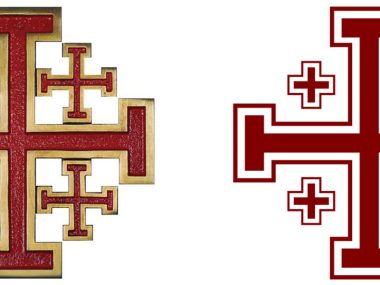
 Templar Uniform Editorial