When we consider professional attire, it is easy to focus on the immediate practicalities: comfort, fit, and compliance. However, uniforms, much like historical artifacts, carry a deeper significance. Understanding this can help U.S. professionals across healthcare, service, industrial, and corporate sectors make more informed decisions about their daily appearance. It highlights how what we wear contributes to team identity, builds trust, and reflects the values of an organization in real work situations.
This isn’t about ancient history; it’s about recognizing the enduring value in what we wear and how it shapes perception in our modern work environments. By examining the principles behind valuing historical items, we can gain practical insights into managing our professional image today.

The Weight of Symbolism in Professional Dress
Historical relics are valued not just for their age, but for what they represent. Similarly, a workplace uniform is more than just fabric. It is a visible symbol of a role, a team, and an organization’s commitment to its standards. For a healthcare worker, it signifies hygiene and care. For a service professional, it conveys reliability. In industrial settings, it often means safety and order. Recognizing this symbolic weight helps us understand why uniform policies exist and why adherence matters.

Practically, this means choosing uniforms that clearly communicate the intended message. A well-designed uniform can instantly convey professionalism and competence to clients or patients. Conversely, a poorly maintained or ill-fitting uniform can unintentionally send a negative message, impacting first impressions and overall trust. This is a direct trade-off between initial cost and the long-term benefit of a strong professional image.
Legacy and Trust: Building on Established Standards
Just as ancient legends speak of a group’s enduring legacy, a company’s uniform standards reflect its own history and values. These standards are not arbitrary; they often evolve from years of operational experience and a desire to project a consistent image. For supervisors, upholding these established guidelines ensures continuity and reinforces the organization’s professional identity. This consistency builds trust among colleagues and with the public.

In a busy work environment, maintaining uniform standards across all shifts and departments can be a challenge. However, consistent application of dress codes ensures fairness and avoids confusion. When every team member understands and meets these expectations, it strengthens collective identity. This reduces the need for constant oversight and allows teams to focus on their core tasks, knowing their appearance aligns with company expectations.
Managing Perception: The “Legends” of Your Uniform
Every item, especially one with historical significance, gathers stories and perceptions—its own ‘legends.’ In the workplace, your uniform also develops a ‘legend’ based on how it is worn and maintained. A crisp, clean uniform worn by a diligent employee contributes to a positive perception of the entire team. This ‘legend’ is built daily through individual actions. It impacts how clients, customers, and even other departments view your professionalism and attention to detail.

Overlooking the small details can create negative ‘legends.’ A stained shirt, scuffed shoes, or an unkempt appearance can quickly undermine the professional image an organization strives to project. Time pressure is a common factor, but a few minutes spent on uniform care can prevent lasting negative impressions. This means prioritizing regular cleaning and minor repairs. It is a practical investment in maintaining a positive professional reputation for both the individual and the team.
Neglecting uniform care doesn’t just create a bad impression in the moment; it also shortens the lifespan of the garments themselves. What seems like saving a few minutes on maintenance, like skipping a timely wash or delaying a minor repair, can lead to premature wear and tear. This translates directly into higher replacement costs over time, impacting budgets that could be used elsewhere. It’s a practical example of how a small oversight can become a larger, avoidable expense down the line.
It’s also easy to fall into the trap of “good enough” when daily pressures mount. A uniform might not be visibly soiled, but it lacks the crispness or freshness that signals true attention to detail. This subtle difference is often overlooked by the individual but is frequently noticed by clients or customers. Furthermore, when one team member consistently presents a less-than-ideal uniform, it doesn’t just reflect on them; it can subtly erode the collective ‘legend’ of the entire team, making everyone’s efforts less impactful and potentially causing frustration among colleagues who maintain their uniforms diligently.
The cumulative effect of these small neglects can signal more than just individual oversight. If a team’s uniforms consistently show signs of wear, damage, or poor maintenance, it can inadvertently communicate a lack of internal standards or support. This isn’t just about appearance; it can suggest a broader organizational issue, like insufficient time for preparation, inadequate facilities for cleaning, or unclear expectations. What starts as a minor uniform issue can, over time, contribute to a perception that the organization itself is cutting corners or lacks attention to detail in other operational areas.
Valuing Your Professional Tools: Care and Durability
Historical relics are preserved with great care due to their inherent value and rarity. While uniforms are not rare, they are valuable professional tools that deserve similar consideration. They represent a significant investment by both the individual and the organization. Choosing uniforms made from durable, high-quality materials can reduce replacement costs and ensure a consistent appearance over time. This is a key decision point for procurement teams and individual employees alike.

Proper care extends the life of any uniform. Following washing instructions, addressing minor damage promptly, and having a rotation of uniforms can significantly improve their longevity. For roles requiring frequent movement or exposure to harsh conditions, durability is not just about appearance; it is about functionality and safety. Balancing initial cost with long-term durability and comfort is a practical trade-off that directly impacts daily work life and budget considerations.
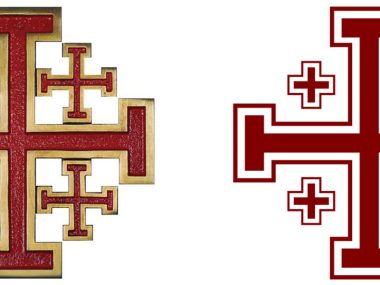
 Templar Uniform Editorial