The legacy of the Knights Templar is not merely etched in the annals of history; it breathes through the tangible relics they left behind. These are not just objects of wood, steel, and parchment. They are sacred artifacts, imbued with the spirit of an age of faith, conflict, and unwavering devotion. For the modern enthusiast, collector, or historian, to hold a piece of this history is to connect with the legend itself. But with this privilege comes a profound responsibility—a duty akin to the Templar vows of old. This is the art of sacred preservation, a discipline that requires more than knowledge. It demands reverence. Preserving these treasures is our way of ensuring that the echoes of the Poor Fellow-Soldiers of Christ and of the Temple of Solomon continue to resonate for generations to come, allowing us to unveil the legend in every surviving stitch, scribe, and sword.
The soul of the artifact: understanding what makes a relic sacred
Before one can even begin to consider preservation, one must first understand the soul of the artifact. What elevates a simple coin, a rusted sword fragment, or a faded piece of vellum to the status of a sacred Templar relic? The answer lies not only in its age but in its connection to the Order. A Templar artifact is a conduit to the past, a physical witness to the lives of the knights who shaped the medieval world. The reverence we hold for these items stems from this direct, unbroken link to their history, their beliefs, and their ultimate sacrifice.

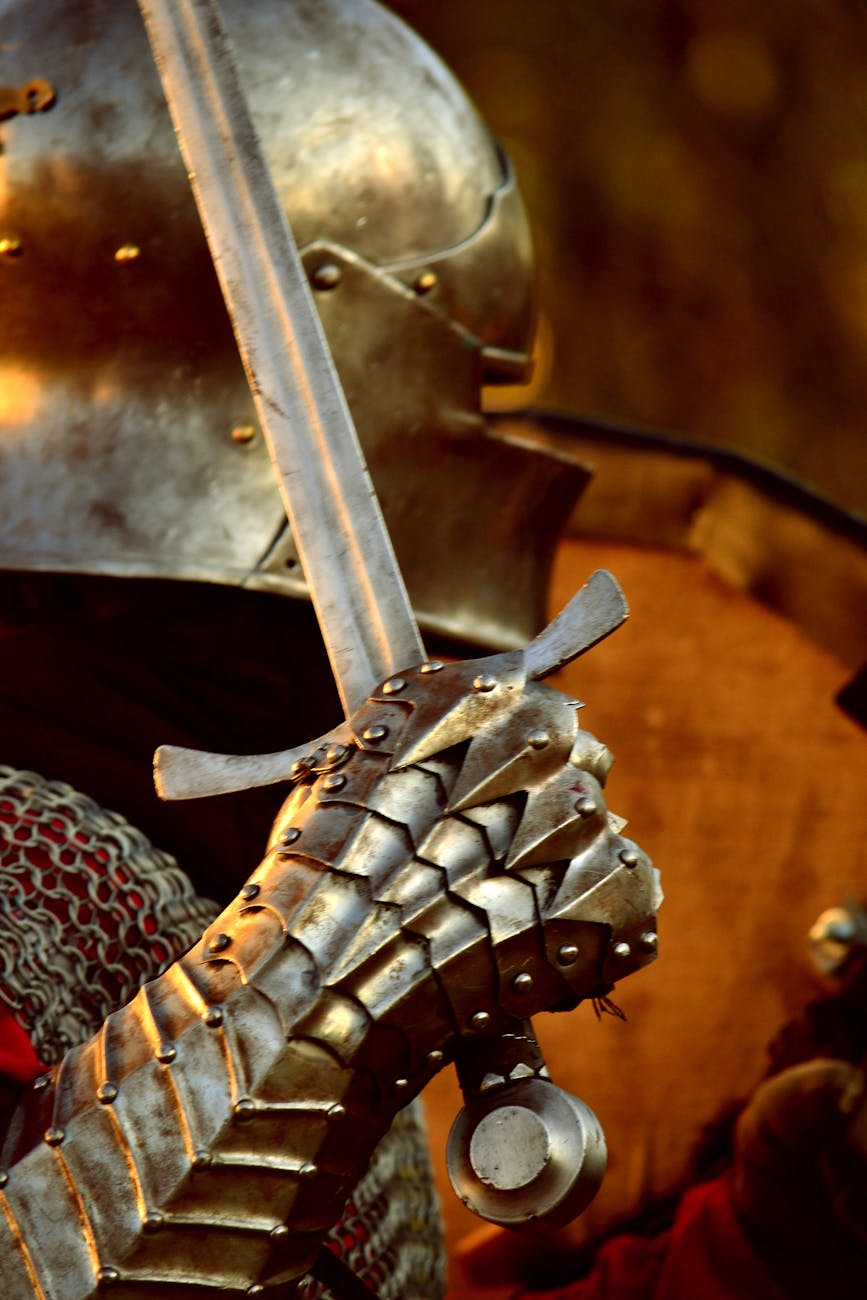
The range of Templar treasures is broader than many imagine. While the mind immediately leaps to legendary items like the Holy Grail or the Ark of the Covenant, the true, verifiable relics are often more humble yet equally profound. Consider the swords and daggers, the primary tools of a warrior monk. Each nick on a blade tells a story of a skirmish in the Holy Land or a training drill in a European commandery. The specific design of the pommel or crossguard can reveal its origin and date. Preserving such an item isn’t just about preventing rust; it’s about safeguarding the testament of the man who wielded it. The metal itself holds the memory of the forge’s fire and the chill of a desert night.
Then there are the documents and manuscripts—the written soul of the Order. Charters signed with wax seals, letters detailing logistical movements, and financial records that reveal the vast economic network of the Templars. These pieces of parchment and vellum are incredibly fragile, susceptible to the slightest changes in humidity and light. Their value is immeasurable, as they contain the unvarnished truth of the Order’s daily operations, far from the myths and legends. Preserving them is to protect the very words and thoughts of the knights. Similarly, Templar coins, often stamped with the iconic image of two knights on a single horse, were the lifeblood of their enterprise. Each coin passed through countless hands, funding everything from fortress construction to pilgrimages. Today, they are small, metallic capsules of economic and symbolic history.
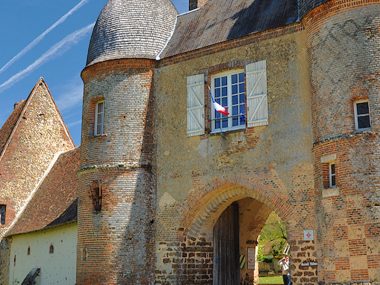
Even architectural fragments from Templar preceptories or chapels carry a heavy spiritual and historical weight. A carved stone bearing a Mason’s mark or a piece of a stained-glass window is a direct piece of the sacred spaces where the knights prayed, lived, and prepared for battle. These items connect us to the physical world the Templars built, a world founded on faith and fortified by stone. To care for these fragments is to honor the sanctity of the places they once adorned. This deep understanding is the foundation of preservation. We are not just maintaining old objects; we are acting as the custodians of sacred history, protecting the soul of the artifact for all who follow.
The vows of a modern guardian: principles of artifact preservation
Once we accept the profound responsibility of stewardship, we must adopt the practical vows of a modern guardian. The art of preservation is a science, a delicate dance of controlling the environment to halt the relentless march of time. The enemies of these sacred relics are silent and ever-present: light, temperature, humidity, and even the touch of our own hands. To protect an artifact is to shield it from these natural forces with unwavering vigilance.

Light, especially sunlight containing ultraviolet (UV) rays, is one of the most aggressive agents of decay. It is a poison to organic materials like textiles, parchment, and wood. A fragment of a Templar banner or a piece of a woolen tunic can fade and become brittle in a matter of years if exposed to direct light. The vibrant inks on a manuscript will pale into illegibility. For this reason, the first vow of preservation is the control of light. Artifacts should be stored or displayed in low-light conditions. Any lighting used, such as in a display case, must be UV-filtered. For long-term storage, complete darkness within an archival box is the gold standard. It is a simple but non-negotiable rule: darkness is a friend to history.
The second vow involves mastering the climate. Fluctuation is the enemy. Materials like wood, leather, and metal are in a constant, invisible process of expanding and contracting with changes in temperature and humidity. When a room gets warm and humid, wood swells; when it becomes cool and dry, it shrinks. Over time, this cycle causes cracking, warping, and irreparable structural damage. Metal, particularly iron and steel found in swords and armor, is highly susceptible to rust in the presence of high humidity. The ideal environment is one of stability—a cool, dry place with a consistent temperature (typically around 65-70°F or 18-21°C) and a stable relative humidity (around 45-55%). Achieving this may require dehumidifiers or specialized climate-controlled cabinets, but it is essential for the long-term survival of the artifact.
Finally, the third vow concerns handling. The natural oils, salts, and acids on our skin are corrosive. Every time an artifact is touched with bare hands, a small, invisible layer of this damaging residue is left behind. On metal, it can etch fingerprints that become permanent marks of corrosion over time. On paper or fabric, it can cause staining and attract pests. Therefore, handling must be kept to an absolute minimum. When it is necessary to move or examine an object, clean cotton or nitrile gloves should always be worn. The artifact should be supported carefully with both hands, never held by a weak or protruding part. This disciplined, respectful approach to handling is a fundamental expression of reverence, ensuring that we, the guardians, do not become the agents of the very decay we seek to prevent.
From the vault to the display: showcasing relics with respect
Preservation is not solely about locking history away in a dark vault. A crucial part of honoring the Templar legacy is sharing it. Displaying these sacred artifacts allows their stories to be told, inspiring awe and curiosity in a new generation. However, the act of exhibition must be an extension of preservation, not a contradiction of it. A well-designed display is a micro-environment, a sanctuary that both protects the relic and presents it with the dignity it deserves.
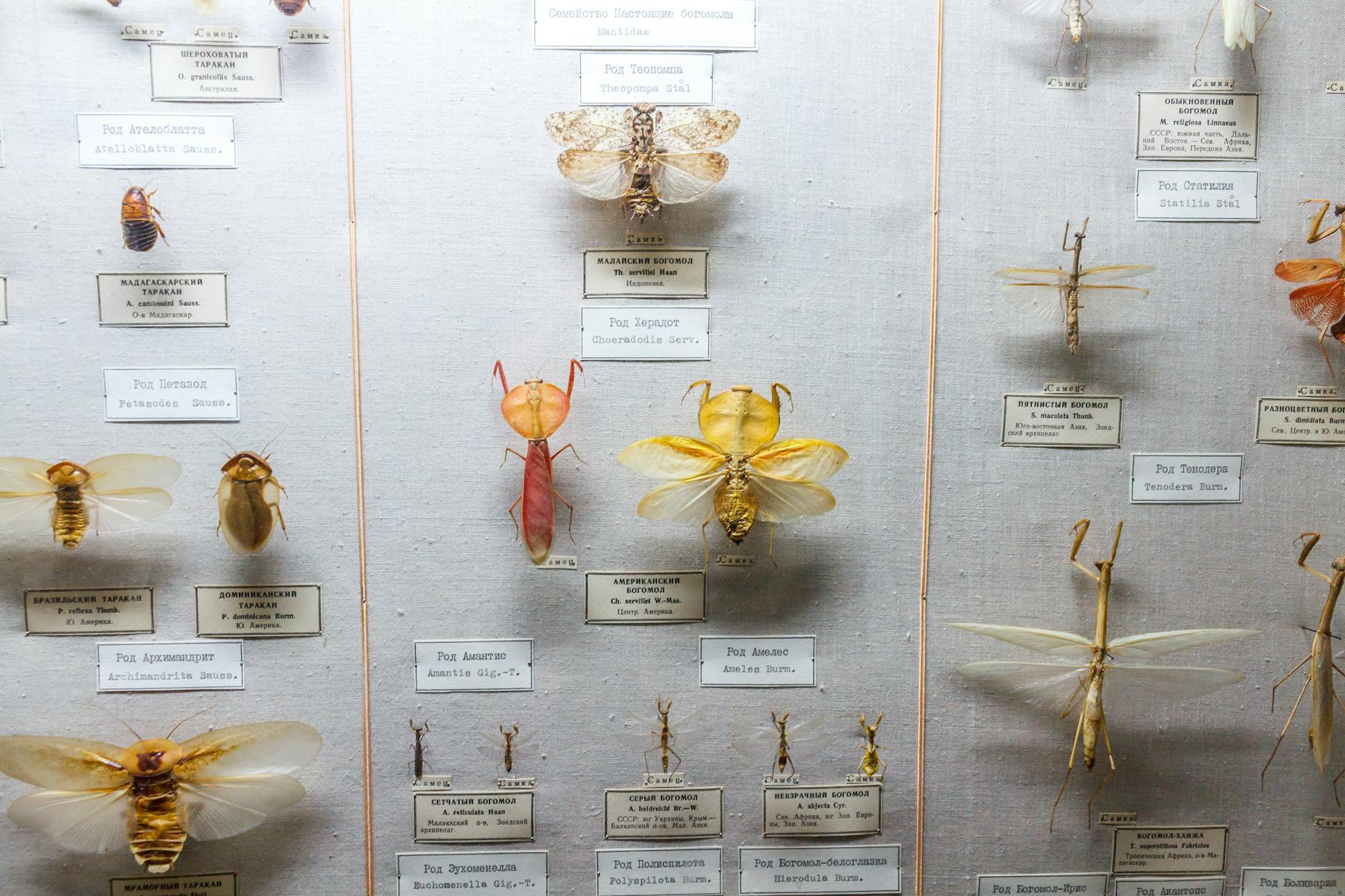
The materials used in a display are of paramount importance. Everything that comes into contact with the artifact must be of archival quality. This means it must be chemically inert and acid-free. Standard cardboard, wood, and fabrics often contain acids that can leach out over time, causing what is known as ‘acid burn’—a permanent yellowing or browning of the object. For mounting a document or textile, only acid-free mat board and backing should be used. For storing a collection of coins or small metal objects, archival-grade polyethylene or polypropylene plastics are safe, while PVC plastics should be avoided at all costs as they degrade and release harmful chemicals. A sword or dagger should rest on a custom-made mount padded with acid-free felt or linen, ensuring its weight is evenly supported without stress.
The display case itself is the artifact’s primary shield against the outside world. Modern museum-grade cases, or vitrines, are designed with preservation in mind. The glass or acrylic should be UV-filtering to protect against light damage. The case should be sealed to create a stable microclimate, buffering the object from sudden fluctuations in room temperature and humidity. Small packets of silica gel can be placed discreetly inside to help regulate moisture levels. Lighting should be external and indirect, or if internal, it must be low-heat LED lighting that emits no UV radiation. The goal is to illuminate the object for viewing without ‘cooking’ it under harsh, damaging lights.
Ultimately, the philosophy of the display should be one of reverence. The arrangement should be clean, uncluttered, and focused, allowing the artifact itself to be the hero. A simple, well-written label can provide historical context without distracting from the object’s presence. By showcasing a Templar relic in this thoughtful manner, we do more than just put it on view. We frame it as an object of historical and spiritual significance. We create a space for contemplation, where a visitor can look upon a 900-year-old cross-pommel sword and feel a genuine connection to the knight who once carried it into battle. This is the final and most noble act of preservation: to protect the artifact’s physical form while allowing its soul to continue telling its powerful story.
 Templar Uniform Editorial