The arteries of a forgotten world: From silk to salt
Imagine a world not of highways and cargo planes, but of dusty roads, treacherous mountain passes, and windswept seas. This was the medieval world, a civilization stitched together by a complex and often perilous network of trade routes. These were more than just paths for moving goods; they were the arteries through which wealth, culture, ideas, and power flowed. To understand the medieval era, especially the context in which an order like the Knights Templar rose to prominence, we must first map these vital conduits of commerce.
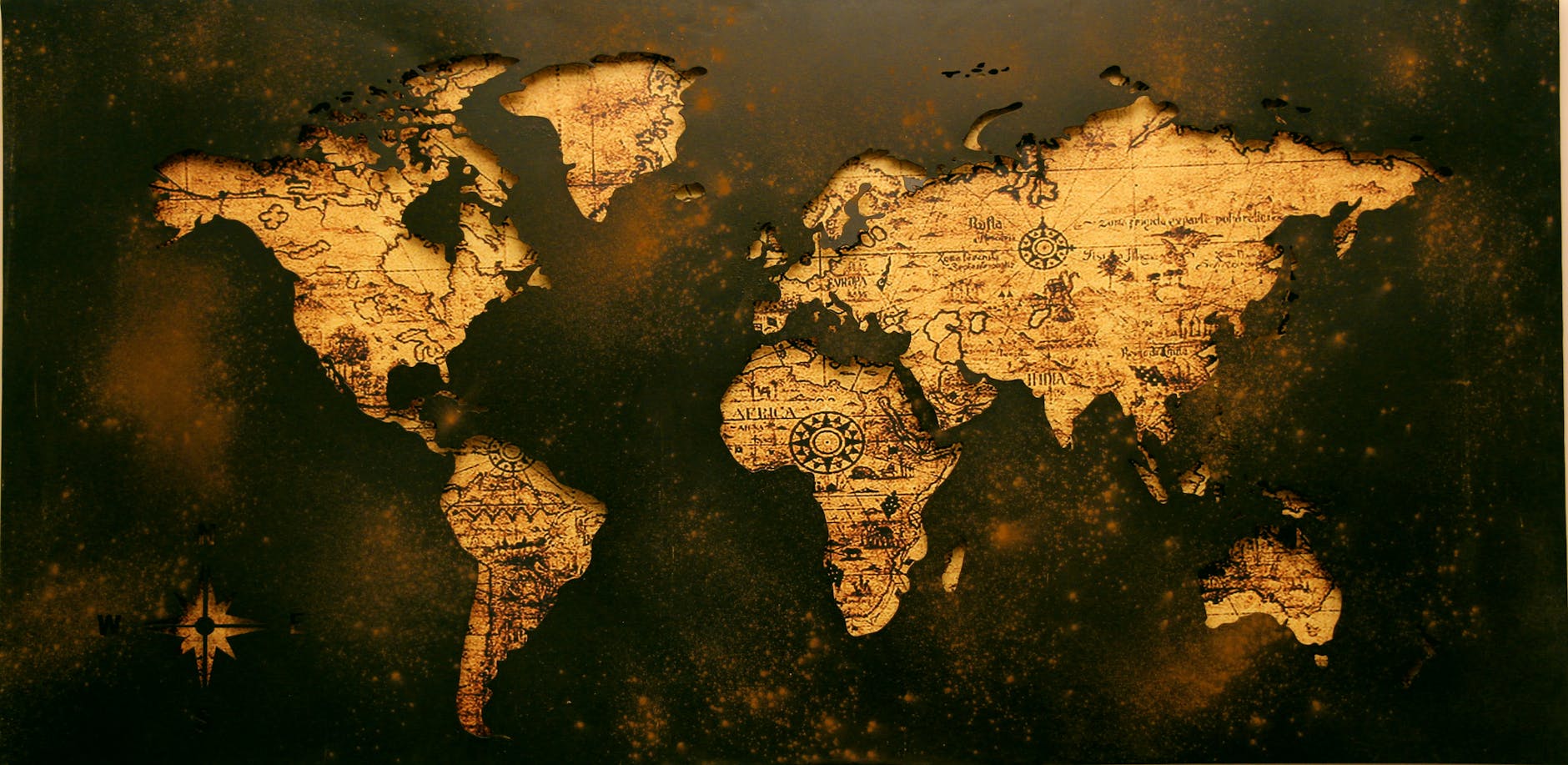
At the heart of this global exchange was the legendary Silk Road. Far from being a single road, it was a sprawling network of caravan trails stretching from China to the Mediterranean. For centuries, it was the primary channel for luxury goods that captivated the European imagination. Silk, a fabric so fine it was considered almost magical, was its most famous commodity. But along with it came porcelain, paper, and spices like cinnamon and ginger that were worth more than their weight in gold. These goods didn’t just enrich merchants; they transformed European society. They adorned the robes of kings and high clergy, seasoned the bland diets of the nobility, and became symbols of immense status and power. The desire for these eastern luxuries was a primary driver of exploration and, critically, a source of incredible wealth for the cities and powers that controlled their entry into Europe.

While the Silk Road dominated land travel, the maritime Spice Routes were its aquatic counterpart. A web of sea lanes crossing the Indian Ocean and the Red Sea brought cloves, nutmeg, and pepper from the Spice Islands of Indonesia to ports in Egypt and the Levant. From there, the powerful Italian city-states, particularly Venice and Genoa, monopolized the trade, distributing these precious commodities throughout Europe. The control of these sea lanes was a matter of intense competition and conflict, as they represented one of the most lucrative commercial enterprises in human history. It was at the nexus of these eastern routes, in the Holy Land, that the Knights Templar would establish their headquarters, placing them directly at the crossroads of global commerce.
Closer to home, Europe had its own intricate systems. The Amber Road snaked its way from the cold shores of the Baltic Sea, carrying fossilized tree resin—amber, known as ‘northern gold’—down to the Roman and later medieval markets of the Mediterranean. Meanwhile, vital resources like salt and wool had their own dedicated routes. English wool, renowned for its quality, was shipped to the great weaving cities of Flanders, creating a powerful economic axis in Northern Europe. These goods might seem more mundane than silk or spices, but they were the bedrock of the medieval economy. Wool, in particular, was the raw material for the clothing of nearly everyone, from peasant to knight. The very white mantle of a Knight Templar, a symbol of purity and dedication, was itself a product of this vast and interconnected world of trade.
The Templar connection: Guardians and bankers of the crossroads
The story of the Knights Templar is inseparable from the story of medieval trade. Founded around 1119, their initial purpose was to protect Christian pilgrims traveling to the Holy Land. These pilgrimage routes, however, were not distinct from trade routes; they were one and the same. Merchants, pilgrims, and crusaders all trod the same dusty paths and sailed the same dangerous seas, creating a constant flow of people and wealth between Europe and the East. By positioning themselves as the guardians of these travelers, the Templars became the de facto protectors of medieval commerce.

Their role quickly evolved beyond simple protection. The order developed what can be considered the world’s first international banking system. A merchant or noble traveling from London to Jerusalem could deposit their gold at the London Temple and receive a letter of credit. Upon arriving in the Holy Land, they could present this letter at a Templar preceptory and withdraw the equivalent sum. This ingenious system eliminated the immense risk of being robbed while carrying vast amounts of treasure. It was a revolution in finance that greased the wheels of international trade, making it safer and more efficient than ever before. The Templars’ network of preceptories, stretching from Britain to the Levant, was strategically placed along major trade arteries, functioning as a chain of secure fortresses and banks.
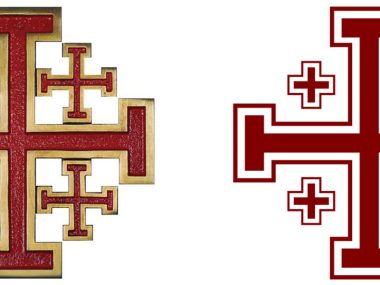
This deep involvement in finance and logistics transformed the order into an economic powerhouse. They managed vast agricultural estates, owned fleets of ships, and became trusted treasurers for European monarchs. Their wealth was not just in coin but in influence. By facilitating and securing trade, they became indispensable to the economic life of Christendom. This brings us back to their iconic uniform. The simple white mantle and red cross were symbols of a vow of poverty, yet the organization they represented was one of the wealthiest on earth. That mantle was woven from high-quality wool, likely sourced from the great sheep farms of England or Spain and traded through the bustling markets of Flanders. The red dye of the cross, whether from the kermes insect or the madder root, was also a traded commodity, often sourced from specific regions and moved along established routes. Every element of the Templar’s attire was a testament to the globalized economy they helped to build and protect. They were not merely living in a world of trade; they were active participants and innovators, their very existence funded and facilitated by the commercial currents they guarded.
A timeline of trade: How commerce shaped the centuries
Understanding the evolution of trade routes over time allows us to chart the rise and fall of empires, cities, and even the Knights Templar themselves. The medieval period was not a static block of history; its economic landscape was constantly shifting, and these changes had profound consequences.

In the Early Middle Ages (c. 500-1000 AD), the collapse of the Western Roman Empire led to a fragmentation of the old, unified trade networks. Long-distance trade with the East dwindled, and European commerce became more localized. Yet, new routes emerged. The Vikings, often remembered as raiders, were also prolific traders, creating a network that connected Scandinavia with Byzantium and the Abbasid Caliphate via the rivers of Eastern Europe. This was a period of rebuilding, of establishing new connections in a fractured world.
The High Middle Ages (c. 1000-1300 AD) witnessed a commercial revolution, and the Crusades were a major catalyst. This period, which perfectly aligns with the rise of the Knights Templar, saw a massive resurgence in East-West trade. The establishment of Crusader states in the Levant created permanent European outposts at the terminus of the Silk and Spice routes. The Italian city-states seized this opportunity, building maritime empires that ferried crusaders, pilgrims, and goods across the Mediterranean. The Templars were born into this explosion of connectivity. Their growth from a small band of knights into a multinational powerhouse in just a few decades would have been impossible without this flourishing of trade and the immense movement of people and capital it generated. Their financial innovations were a direct response to the needs of this new, interconnected world.
However, the Late Middle Ages (c. 1300-1500 AD) brought dramatic change. The fall of the last Crusader stronghold at Acre in 1291 severely weakened the European position in the East. For the Templars, this was a catastrophe, as it removed their primary reason for being. Shortly after, in 1307, the order was brutally suppressed by King Philip IV of France, who coveted their immense wealth. Their fall coincided with a period of wider crisis. The Black Death (1347-1351) swept across Eurasia, traveling along the very trade routes that had brought prosperity, devastating populations, and disrupting commerce for decades. As the old Mediterranean-centric system faltered, new powers like the Hanseatic League in Northern Europe rose to dominate Baltic trade. The slow decline of the overland Silk Road, exacerbated by the fall of the Mongol Empire, pushed Europeans to seek new maritime routes to the East, setting the stage for the Age of Discovery. The Templars were a product of the High Middle Ages’ commercial boom, and their demise was part of the turbulent transition that marked its end.
By tracing these timelines, we see that the threads of commerce are woven deeply into the fabric of history. The white mantle of a Templar is more than just wool; it’s a symbol of an age when faith, finance, and trade were inextricably linked, an age shaped by the brave and ambitious souls who traveled the great trade routes of the medieval world.
 Templar Uniform Editorial