The Genesis of a Secretive Order
The Order of the Poor Fellow-Soldiers of Christ and of the Temple of Solomon, more commonly known as the Knights Templar, emerged in the early 12th century, specifically around 1119. Founded by Hugh de Payns and a small group of knights, their initial purpose was to protect Christian pilgrims traveling to the Holy Land following the First Crusade. This dual role of monk and warrior was unprecedented, granting them a unique status within medieval society. Their headquarters were established on the Temple Mount in Jerusalem, in what was believed to be the site of Solomon’s Temple, a location that immediately imbued the order with a sense of ancient mystery and divine purpose.
Initially, the Templars faced skepticism, but their dedication and the endorsement of influential figures like Bernard of Clairvaux quickly garnered support. The Council of Troyes in 1129 formally recognized the Order and provided them with a specific rule, which blended monastic vows of poverty, chastity, and obedience with military duties. This structure allowed them to operate with significant autonomy, reporting directly to the Pope. Their distinctive white mantles adorned with a red cross became a powerful symbol of their commitment and ferocity in battle, inspiring both awe and fear across the medieval world.


Symbols, Rituals, and Esoteric Knowledge
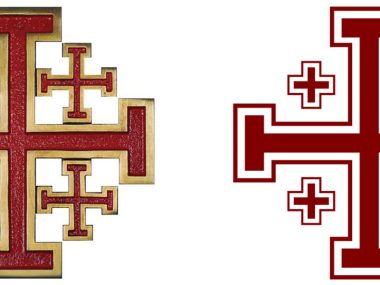
The Templars’ perceived secrecy was often linked to their unique blend of military and monastic life, operating under a rule that emphasized discretion. While many aspects of their daily operations and internal governance were indeed private, as was common for monastic orders of the era, the popular imagination has often attributed to them a deeper, more esoteric knowledge. Their most recognizable symbol, the red cross on a white field, was a clear declaration of their crusading mission. Other symbols, such as the two knights on one horse, represented their initial poverty and brotherhood, though this too has been interpreted by some as having hidden meanings.
Allegations of secret rituals and the possession of ancient, forbidden knowledge became prominent during their suppression in the early 14th century. Accusations ranged from idol worship (like the Baphomet) to spitting on the cross and other blasphemous acts. While these charges were largely extracted under torture and are widely considered fabricated today, they cemented the image of the Templars as a secretive society holding dark or powerful secrets. Modern scholarship suggests that their ‘secrets’ were likely the practicalities of a highly disciplined military-religious order, rather than mystical rites, yet the allure of hidden wisdom persists in popular culture.

The Templars’ Wealth and Power
Over their nearly two centuries of existence, the Knights Templar amassed immense wealth and influence, far beyond their initial humble beginnings. This was primarily due to generous donations from European nobility and royalty, who sought spiritual merit and military protection. Their extensive network of commanderies and castles across Europe and the Holy Land served not only as military bases but also as sophisticated financial centers. They developed an advanced system of banking, allowing pilgrims and crusaders to deposit funds in one location and withdraw them in another, essentially pioneering early forms of letters of credit.
This financial prowess made them indispensable to kings and popes, often acting as treasurers, lenders, and even tax collectors. Their military strength, combined with their economic power, made them one of the most formidable organizations of the High Middle Ages. However, this very power ultimately contributed to their downfall. The vast wealth and independence of the Templars made them a target for those seeking to consolidate power and seize assets, particularly King Philip IV of France, who was heavily indebted to the Order.

The Fall and the Whispers of Conspiracy
The dramatic suppression of the Knights Templar began on Friday, October 13, 1307, when King Philip IV of France ordered the arrest of Templars across his kingdom. The charges leveled against them were severe and numerous, including heresy, idolatry, sodomy, and sacrilege. These accusations, largely coerced through torture, were designed to justify the king’s actions and allow him to seize the Order’s considerable assets. Pope Clement V, initially hesitant, eventually succumbed to Philip’s pressure, issuing papal bulls that called for the arrest of Templars throughout Christendom and initiated investigations into their alleged crimes.
Despite many Templars maintaining their innocence, the trials were largely a sham, culminating in the dissolution of the Order by Pope Clement V in 1312 through the papal bull Vox in excelso. The last Grand Master, Jacques de Molay, was burned at the stake in 1314, famously cursing Philip IV and Clement V. While the official reason for their suppression was heresy, the underlying motives are widely understood by historians today to be financial and political. The sudden and brutal end of such a powerful and respected order immediately fueled speculation and gave birth to enduring legends of hidden treasures, surviving Templars, and a continuing secret society.

Enduring Legends and Modern Interpretations
The dramatic demise of the Knights Templar ensured their place in history as a subject of fascination, spawning countless legends and conspiracy theories that persist to this day. Tales of the Templars guarding the Holy Grail, the Ark of the Covenant, or other biblical relics gained traction in the centuries following their dissolution. The idea that some Templars escaped the purge and continued their order in secret, perhaps influencing later groups like the Freemasons, remains a popular narrative in literature, film, and online discussions. These narratives often intertwine historical fragments with speculative elements, creating a rich tapestry of lore.
Currently, the legacy of the Knights Templar continues to captivate audiences globally. From historical fiction and video games to documentaries and academic studies, their story is constantly re-examined and reinterpreted. While modern historians largely agree on the political and financial motivations behind their suppression, the allure of their ‘secrets’—whether they pertain to hidden knowledge, lost treasures, or an unbroken lineage—remains a powerful draw. The Templars stand as a testament to how a historical order, through its unique blend of piety and power, can transcend its era to become an enduring symbol of mystery and intrigue in the collective consciousness.

 knighttemplar